 Conservation area
Northern Tanzania
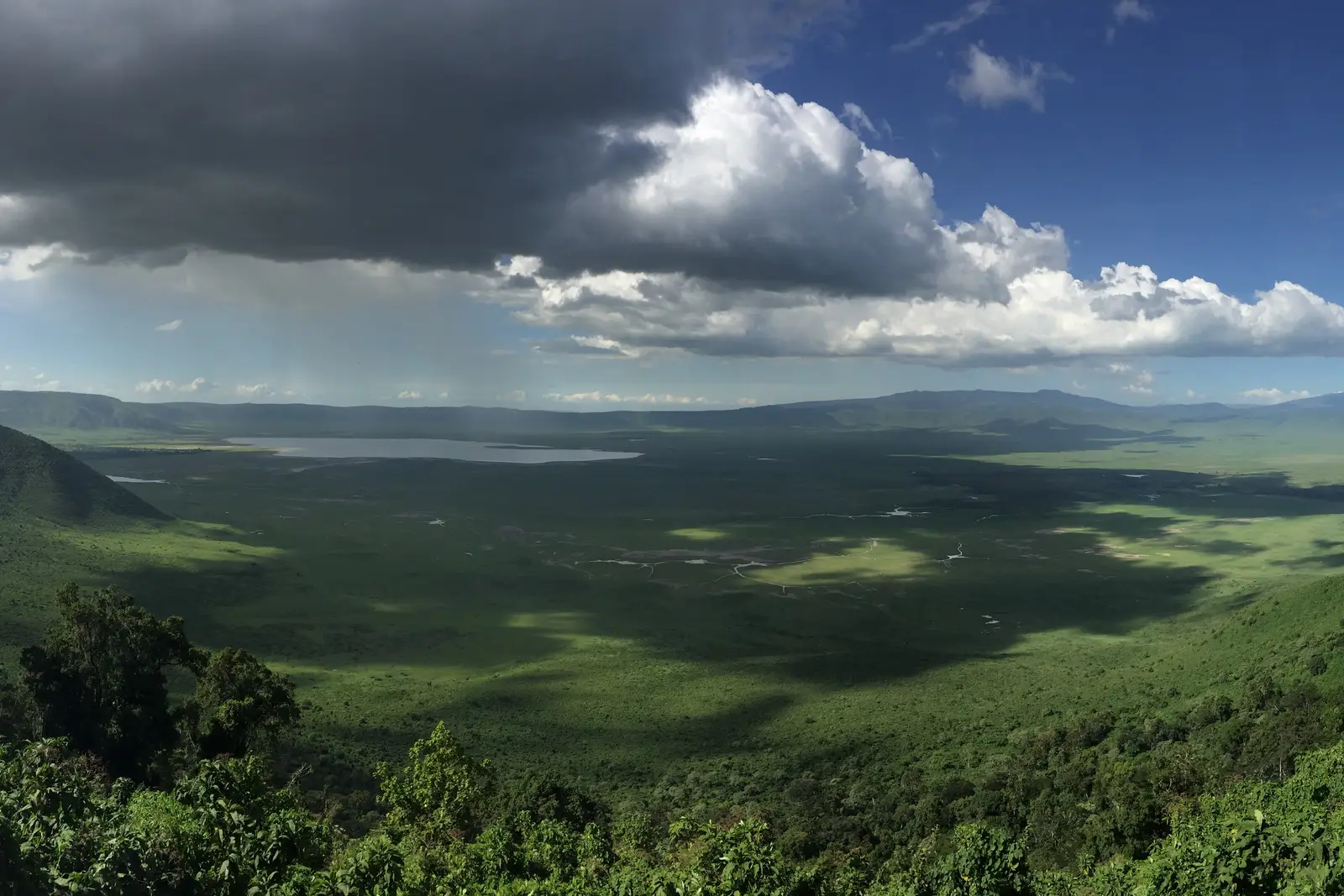
Ngorongoro Conservation Area
A wildlife-filled volcanic crater and the Maasai highlands.
National park · UNESCO World Heritage Site
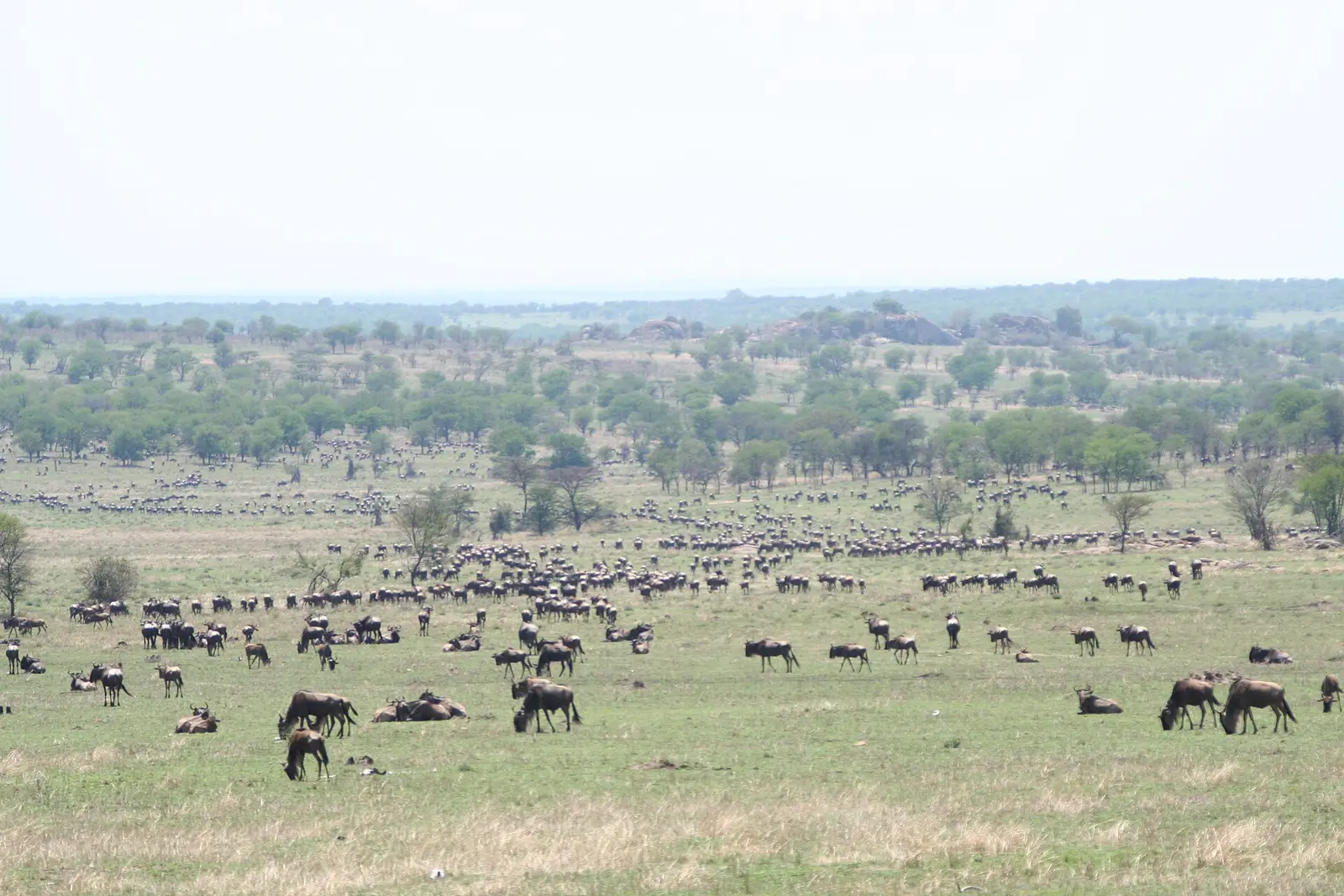
Endless plains and the Great Migration all year round.
Serengeti was established in 1959 and covers 14,763 km², the heart of the 30,000 km² Serengeti–Mara ecosystem that crosses into Kenya. UNESCO lists it as a World Heritage Site and a Biosphere Reserve.
The Great Migration is here all year: wildebeest, zebras and gazelles calve on the southern plains early in the year, move through the centre and the Western Corridor, and reach the Mara River in the north in the dry season before returning south with the short rains.
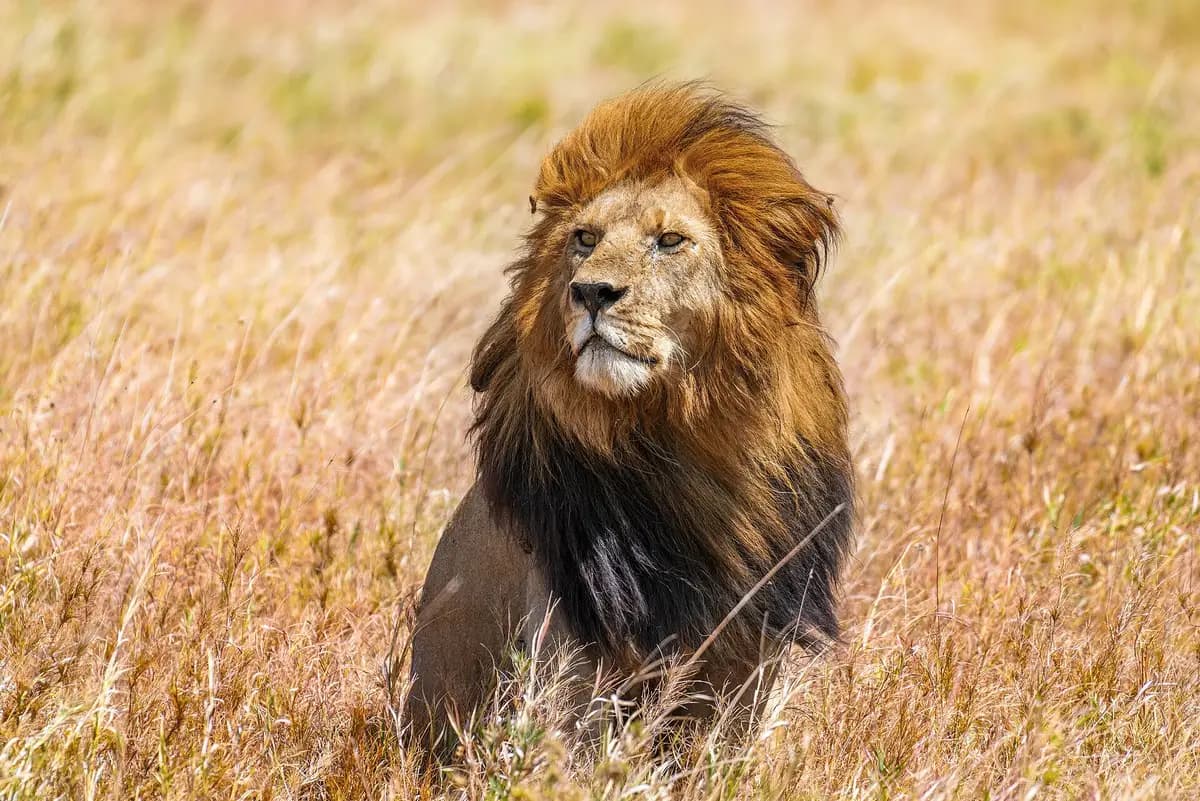
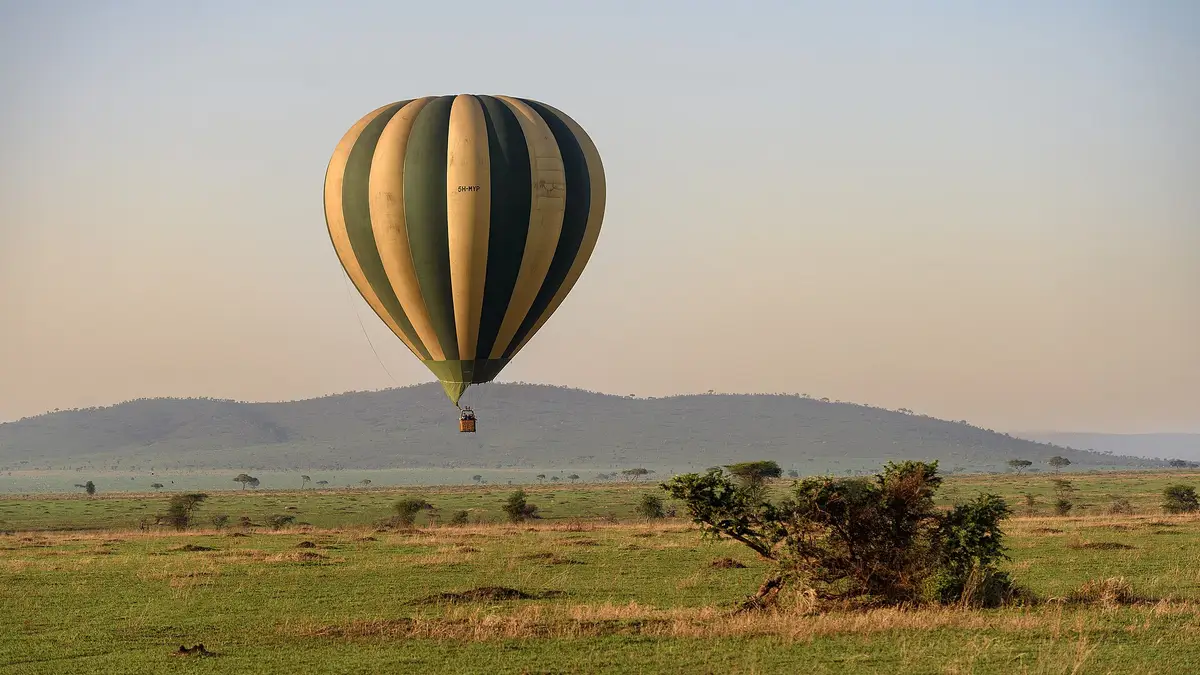
The central Seronera valley is one of the best places in Africa to see lions, leopards and cheetahs. TANAPA also offers balloon flights, walking safaris, bush meals and rhino viewing around the Moru kopjes.
Calving in the south about January–February; Mara River crossings in the north about July–October.
Lions, leopards and cheetahs along the Seronera River all year.
Dawn flights over the plains with licensed balloon operators.
Day and full-day drives with a licensed driver-guide.
TANAPA's balloon fee is added to the operator's price.
Short walks with an armed ranger.
Special rhino viewing trip in the Moru kopjes area.
Prices are the foreign non-resident rate per person. Resident and East African rates are lower; see the full table below.
Good all year because the migration is always somewhere in the park. Calving is about January–February in the south; northern river crossings about July–October. April and May are wettest.
Official rates from the Tanzania National Parks (TANAPA) (TANAPA Tariffs 2023/24 (GN 666 of 2018, GN 490A of 2020)). Children, vehicle and accommodation rates are in the full tariff.
| Item | Foreign non-resident | Foreign resident | Rest of Africa | East African citizen |
|---|---|---|---|---|
| Park entry (adult, 16+)per person per 24 hours, 16 May – 14 MarchChildren 5–15: TZS 2,360 / US$11.80 / US$23.60 (EAC citizen / resident / non-EAC visitor). | US$82.60 | US$41.30 | US$82.60 | TZS 11,800 |
| Low-season entry (adult, 16+)per person per 24 hours, 15 March – 15 MayChildren 5–15: TZS 2,360 / US$11.80 / US$23.60 (EAC citizen / resident / non-EAC visitor). | US$70.80 | US$35.40 | US$70.80 | TZS 11,800 |
| Lodge and camp concession feeper adult per night inside the park, July – September (US$59 October – June) | US$70.80 | US$70.80 | US$70.80 | TZS 35,400 |
| Walking safari (1–4 hours)per adult, with an armed ranger | US$23.60 | US$23.60 | US$23.60 | TZS 5,900 |
| Public campsiteper adult per night | US$35.40 | US$35.40 | US$35.40 | TZS 5,900 |
Children 5–15: TZS 2,360 / US$11.80 / US$23.60 (EAC citizen / resident / non-EAC visitor).
Children 5–15: TZS 2,360 / US$11.80 / US$23.60 (EAC citizen / resident / non-EAC visitor).
Through the Ngorongoro Conservation Area to Naabi Hill Gate and Seronera.
Scheduled light-aircraft flights to Seronera and the other airstrips.
Open larger map Directions Marker shows an approximate location.
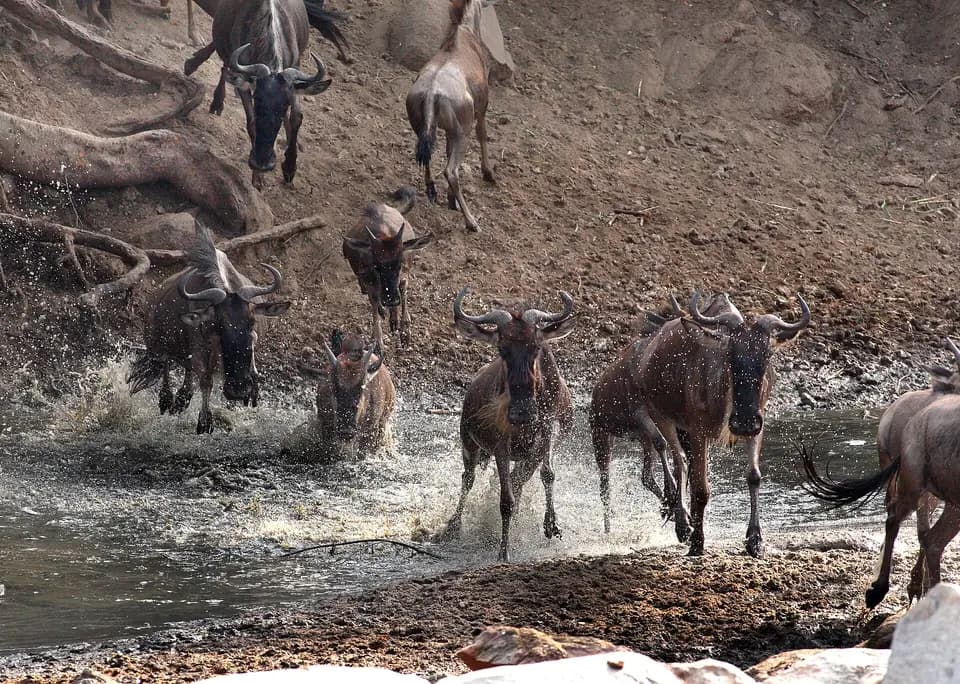
All year. Calving is usually in the southern Serengeti and Ndutu about January–February, and river crossings in the north about July–October. Timing changes with the rains.
US$82.60 per non-EAC adult per 24 hours (US$70 plus VAT), or US$70.80 from 15 March to 15 May. East African citizens pay TZS 11,800.
They are one ecosystem split by the Kenya–Tanzania border. The Serengeti is much larger and holds the migration for most of the year.
Checked on 23 October 2026. Fees and rules change; confirm with the authority or your operator before you pay.
Report a mistake on this pageCombine your trip
Conservation areaNorthern Tanzania
A wildlife-filled volcanic crater and the Maasai highlands.
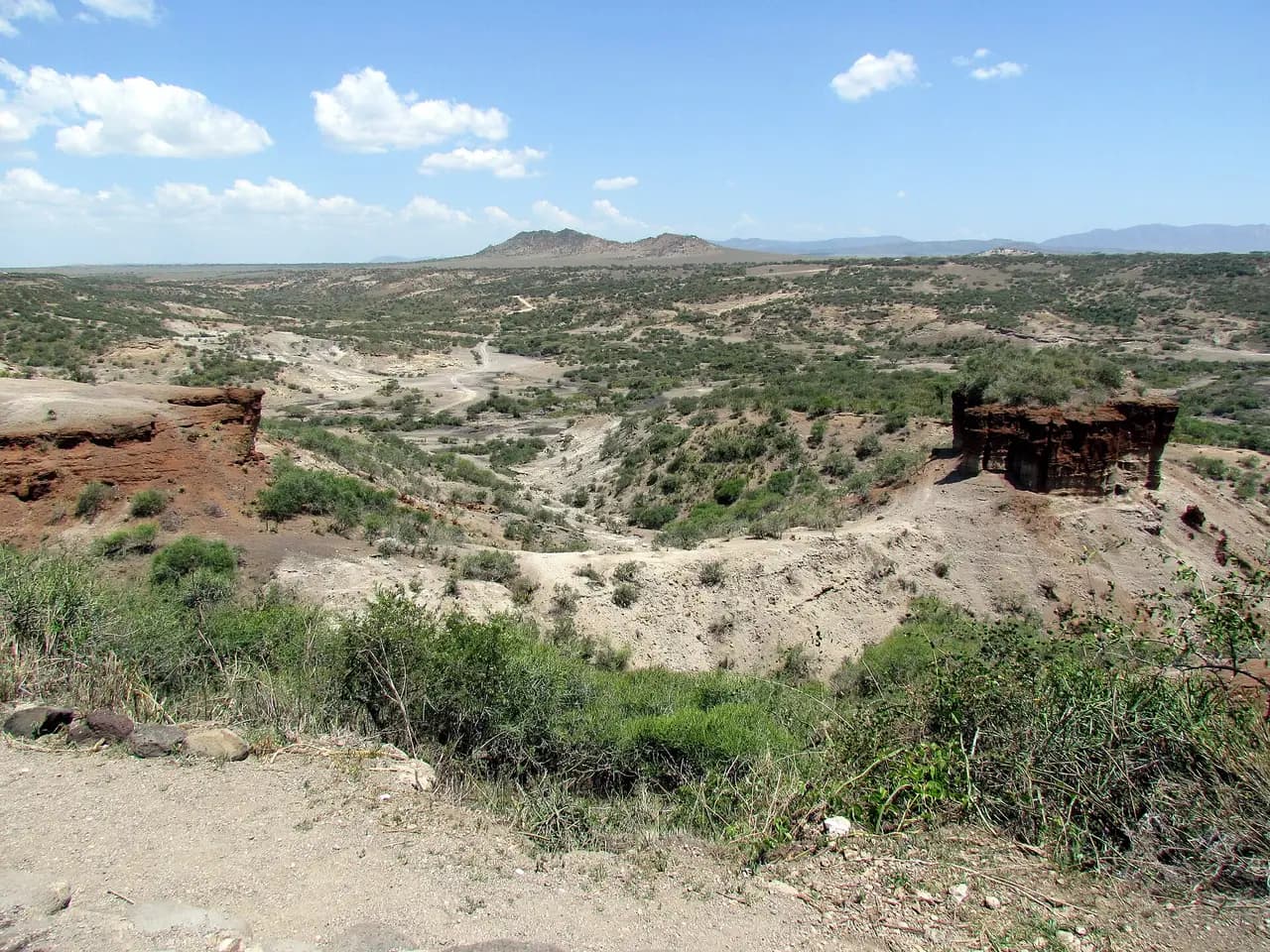 Archaeological site
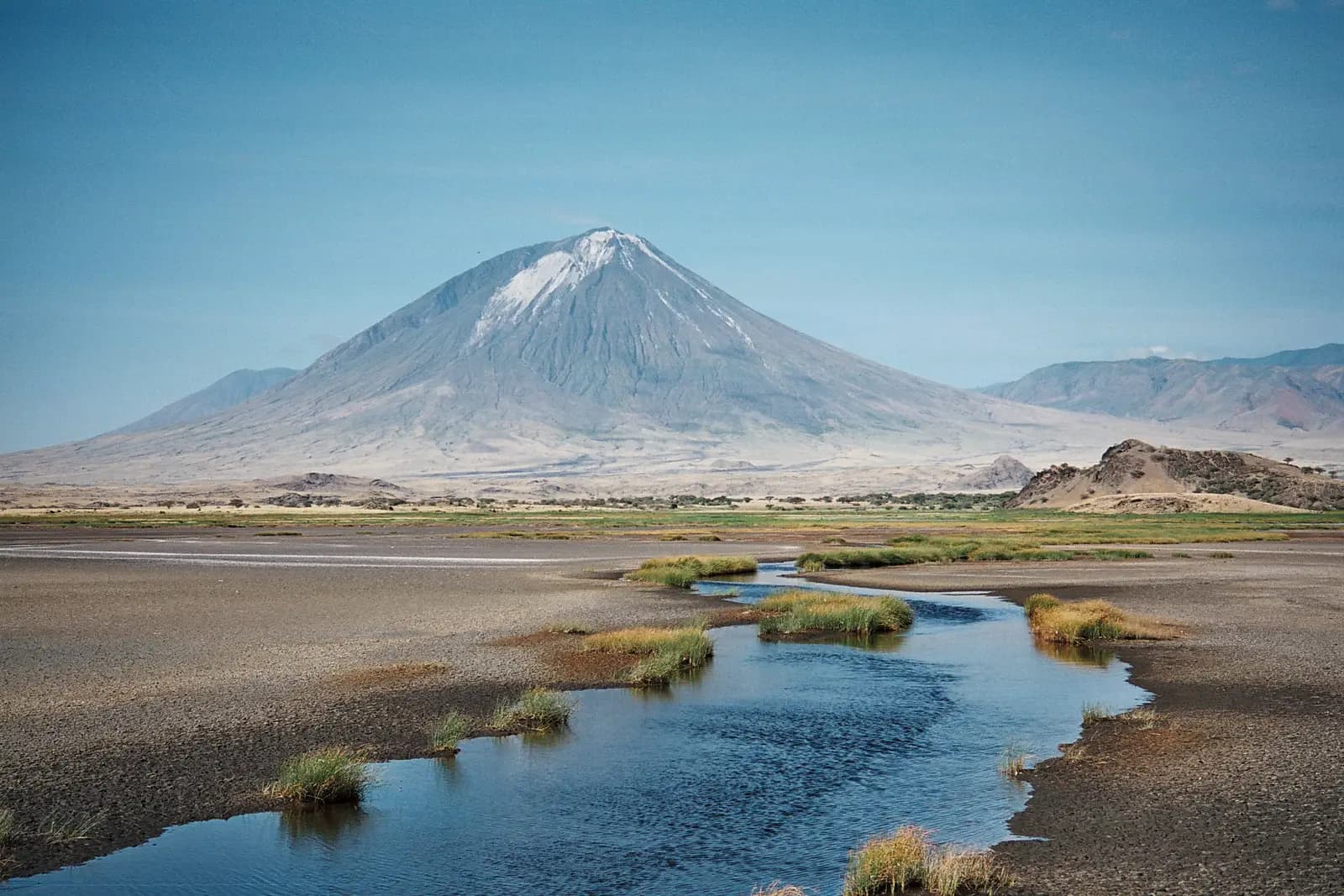 Soda lake