 National park
Conservation area · UNESCO World Heritage Site
Ngorongoro Conservation Area
A wildlife-filled volcanic crater and the Maasai highlands.
- Northern Tanzania
- Best: Jan–Feb, Jun–Oct
- Entry from US$70.80
- World Heritage Site (1979)
Overview
- Managed by
- Ngorongoro Conservation Area Authority
- UNESCO
- World Heritage Site (1979)
- Geopark
- Ngorongoro Lengai UNESCO Global Geopark
- From Arusha
- About 3–4 hours to Lodoare Gate
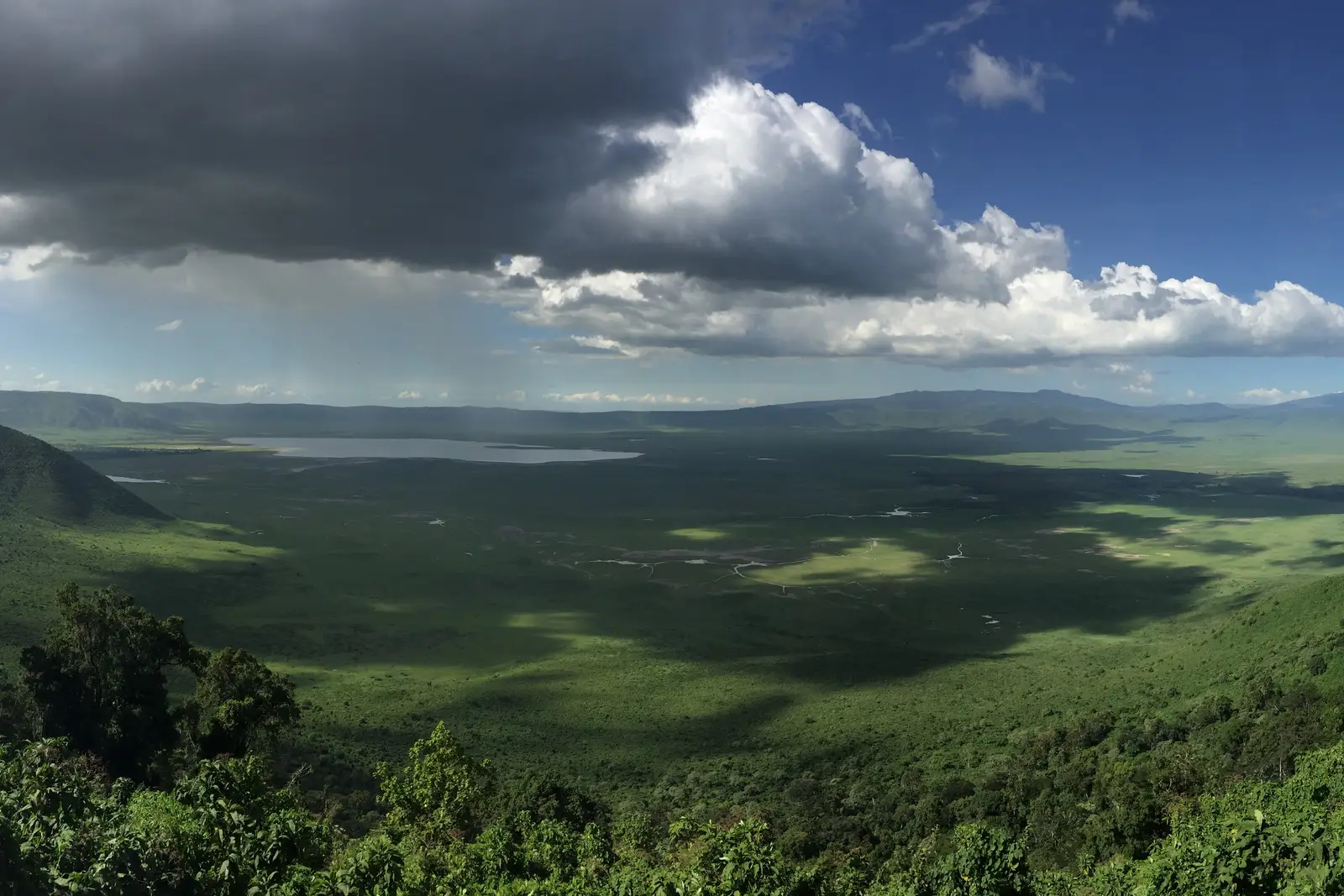
The Ngorongoro Conservation Area covers the volcanic highlands between Lake Manyara and the Serengeti. It is managed by the Ngorongoro Conservation Area Authority and is a UNESCO World Heritage Site for both its nature and its archaeology.
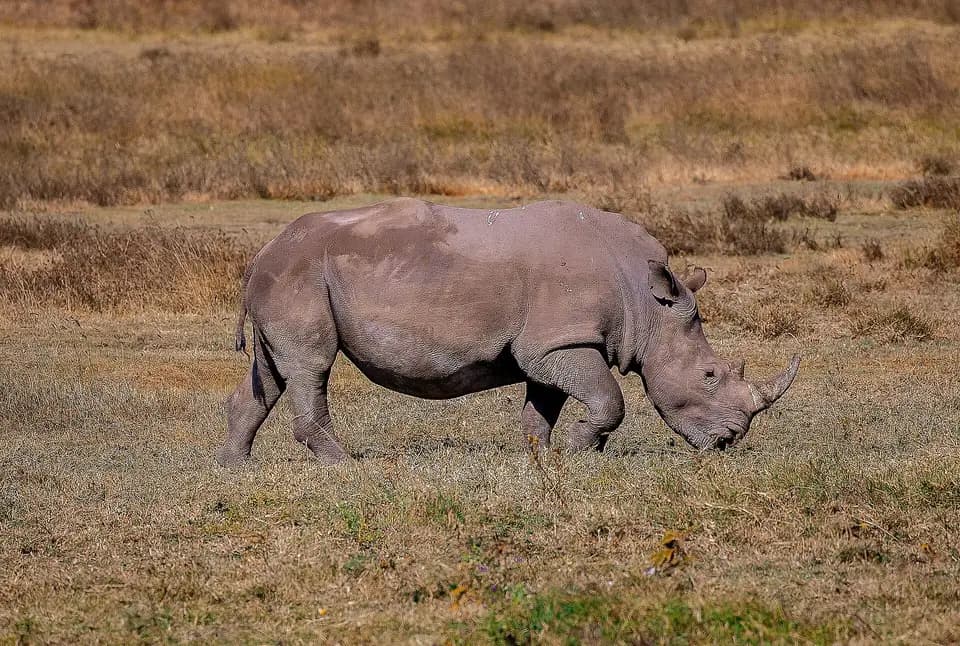
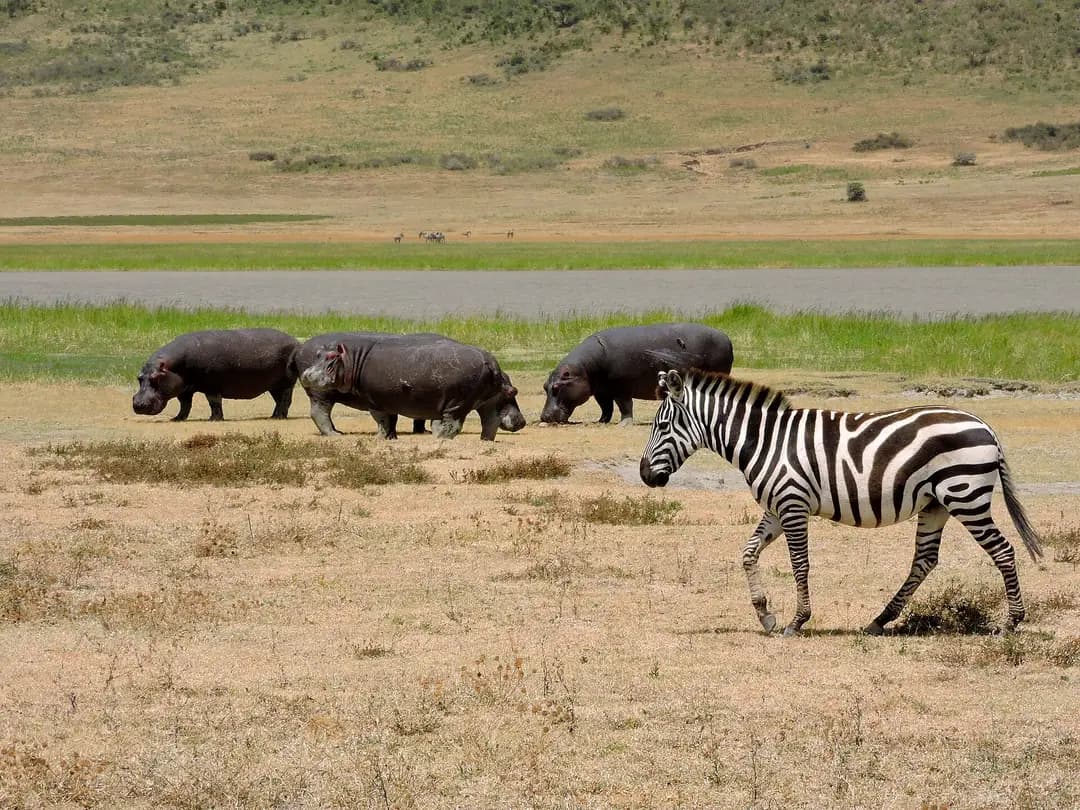
Its centrepiece is the Ngorongoro Crater, an unbroken volcanic caldera whose grassy floor, soda lake, swamps and forest hold a dense resident population of wildlife, including one of the last black rhino populations in northern Tanzania.
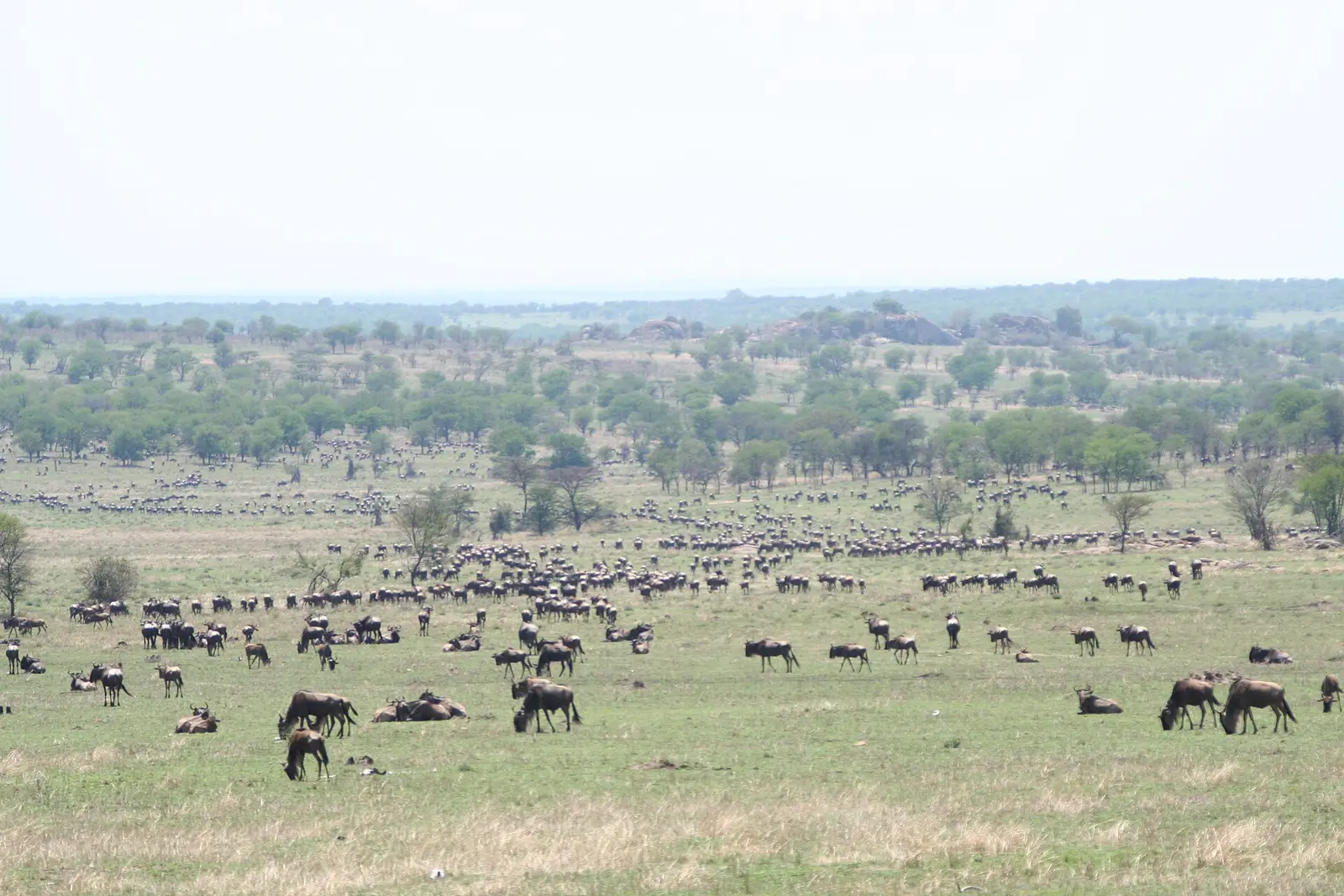
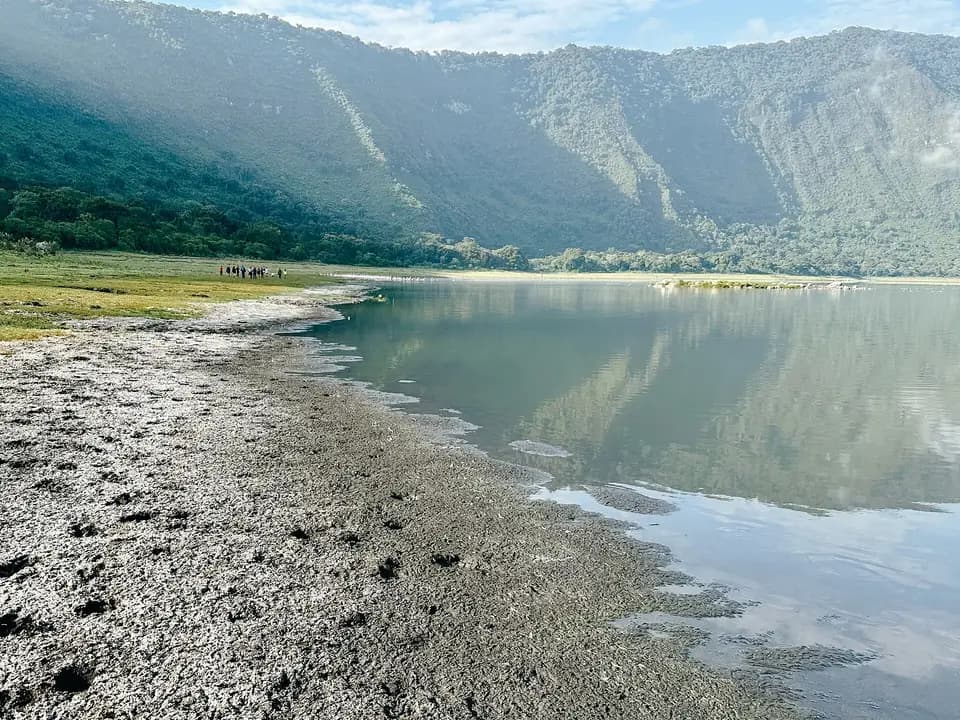
The area also takes in the Empakai and Olmoti craters, the Ndutu plains where the migration calves, Olduvai Gorge and the Laetoli footprints. Maasai communities live and graze their livestock within the conservation area.
- The crater floor
A half-day or full-day game drive among resident lions, elephants and rhinos.
- Empakai Crater
A crater lake walk, often with flamingos, on guided hikes.
- Ndutu plains
Wildebeest calving grounds, usually about January–February.
Things to do
- Crater game driveUS$295 per vehicle
Licensed vehicles only; the crater service fee is charged per vehicle.
- Guided walksUS$23.60
Short walks on the highlands, Empakai and the Endoro trails.
- Maasai cultural bomasUS$20 per vehicle
Visit a cultural boma.
Prices are the foreign non-resident rate per person. Resident and East African rates are lower; see the full table below.
Wildlife and nature to look for
When to go
The crater is good all year. June to October is driest; January and February bring the calving herds to Ndutu. The rim is cold at night in June to August.
- Jan: Best
- Feb: Best
- Mar: Good
- Apr: Wetter
- May: Wetter
- Jun: Best
- Jul: Best
- Aug: Best
- Sep: Best
- Oct: Best
- Nov: Good
- Dec: Good
Fees and permits
Official rates from the Ngorongoro Conservation Area Authority (NCAA tariffs (VAT inclusive)). Children, vehicle and accommodation rates are in the full tariff.
| Item | Foreign non-resident | Foreign resident | Rest of Africa | East African citizen |
|---|---|---|---|---|
| Park entry (adult, 16+)per person, one entry within 24 hoursChildren 5–15: TZS 2,360 / US$11.80 / US$23.60 (EAC citizen / resident / non-EAC visitor). | US$70.80 | US$35.40 | US$70.80 | TZS 11,800 |
| Crater service feeper vehicle per descent | US$295 | US$295 | US$295 | TZS 11,800 |
| Walking safari (1–4 hours)per adult | US$23.60 | US$23.60 | US$23.60 | TZS 11,800 |
| Public campsiteper adult per night | US$35.40 | US$35.40 | US$35.40 | TZS 11,800 |
- Park entry (adult, 16+)per person, one entry within 24 hours
- Foreign non-resident
- US$70.80
- Foreign resident
- US$35.40
- Rest of Africa
- US$70.80
- East African citizen
- TZS 11,800
Children 5–15: TZS 2,360 / US$11.80 / US$23.60 (EAC citizen / resident / non-EAC visitor).
- Crater service feeper vehicle per descent
- Foreign non-resident
- US$295
- Foreign resident
- US$295
- Rest of Africa
- US$295
- East African citizen
- TZS 11,800
- Walking safari (1–4 hours)per adult
- Foreign non-resident
- US$23.60
- Foreign resident
- US$23.60
- Rest of Africa
- US$23.60
- East African citizen
- TZS 11,800
- Public campsiteper adult per night
- Foreign non-resident
- US$35.40
- Foreign resident
- US$35.40
- Rest of Africa
- US$35.40
- East African citizen
- TZS 11,800
- An entry permit is valid for one entry within 24 hours. Children are aged 5–15; under-5s are free. Other African citizens pay the non-EAC rate.
- Tariffs can change without notice. Confirm the amount when you pay.
Getting there
- By roadFrom ArushaAbout 3–4 hours
Tarmac via Mto wa Mbu and Karatu to Lodoare Gate, then up to the crater rim.
- By airFrom ArushaAbout 1 hour
Flights to Lake Manyara airstrip, then about 1.5 hours by road.
Open larger map Directions Marker shows an approximate location.
Photos
Know before you go
- Only licensed tour vehicles may descend into the crater; book through your operator.
- Driving through to the Serengeti means paying NCAA entry as well as Serengeti fees.
- Nights on the crater rim (about 2,300 m) are cold; bring warm layers.
- Foreign visitors must buy Tanzania's US$44 inbound travel insurance (92 days) before arrival: from NIC for the mainland or ZIC for Zanzibar. One policy covers both; residents of EAC and SADC countries are exempt.
Frequently asked questions
How much does it cost to go into the Ngorongoro Crater?
Non-EAC adults pay US$70.80 entry per person, plus a crater service fee of US$295 per vehicle per descent. East African citizens pay TZS 11,800 for each.
Can you see rhinos in the Ngorongoro Crater?
Yes. The crater is one of the best places in Tanzania to see black rhinos, though they are few and usually seen at a distance.
Is Ngorongoro a national park?
No. It is a multiple-use conservation area where Maasai pastoralists live alongside wildlife, managed by the Ngorongoro Conservation Area Authority rather than TANAPA.
Sources
Checked on 23 October 2026. Fees and rules change; confirm with the authority or your operator before you pay.
Report a mistake on this pageCombine your trip
Places to pair with Ngorongoro Conservation Area
National park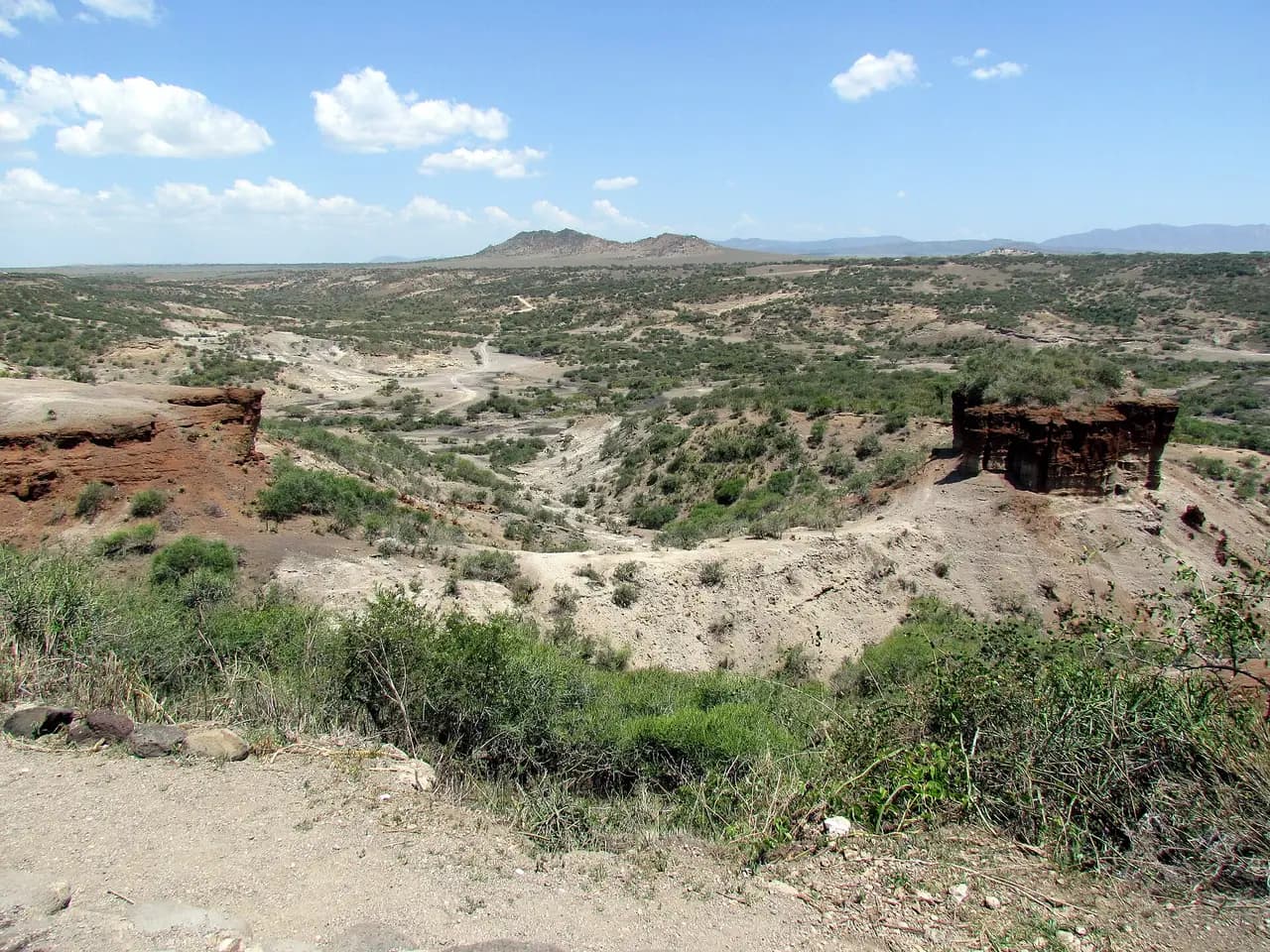 Archaeological site
 National park