 National park
Southwestern Uganda
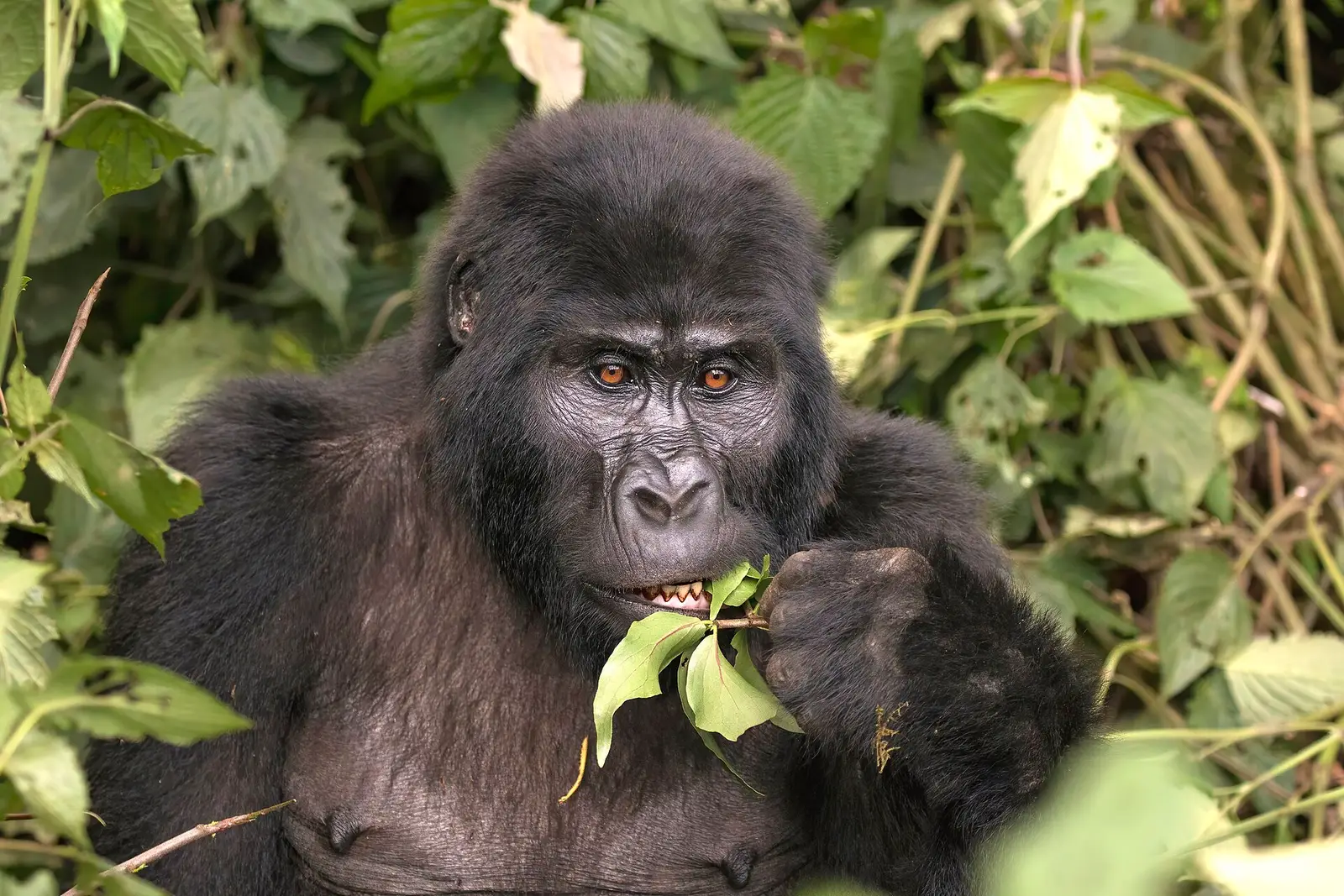
Bwindi Impenetrable National Park
Ancient rainforest and almost half of the world's mountain gorillas.
National park
Kazinga Channel, crater lakes and tree-climbing lions.
Queen Elizabeth National Park was founded in 1952 as Kazinga National Park and renamed in 1954 after a visit by Queen Elizabeth II. It straddles the equator below the Rwenzori Mountains.
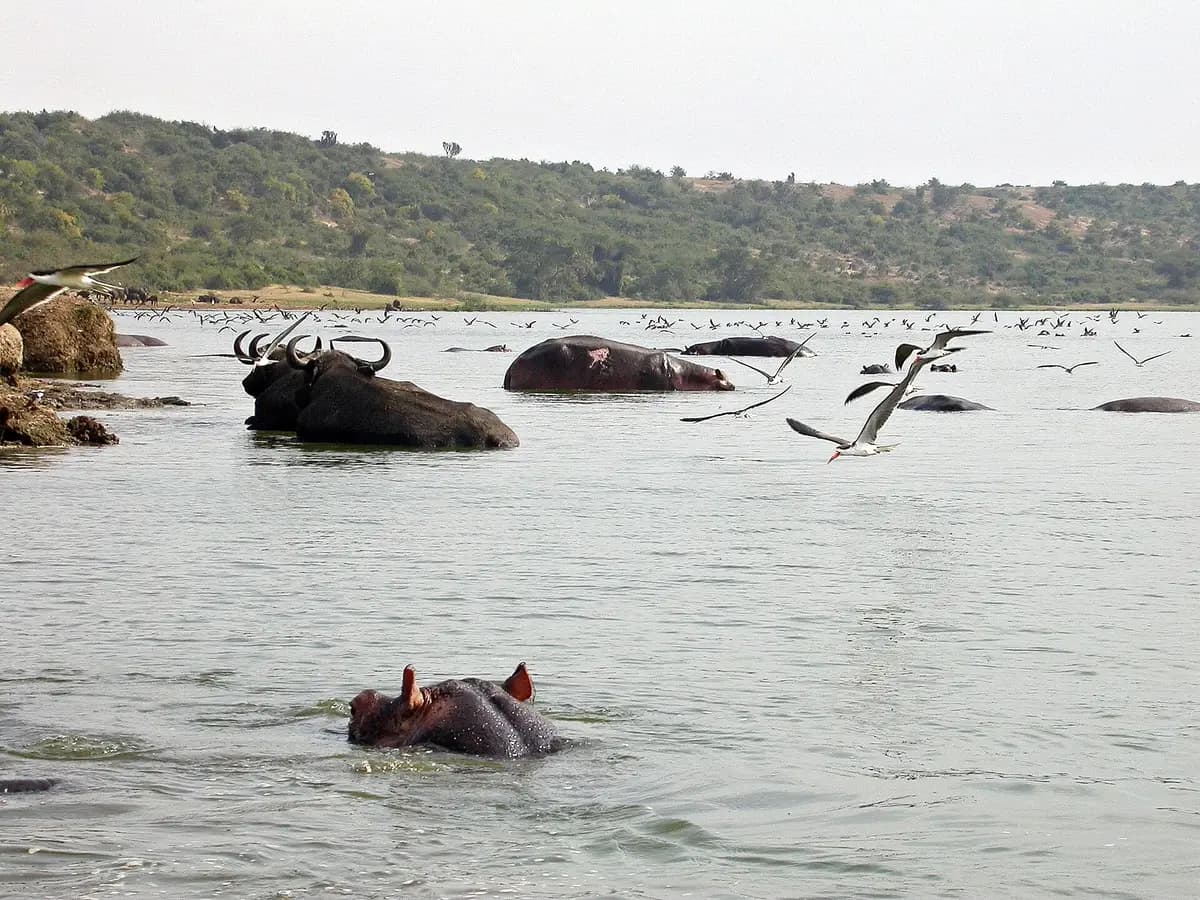
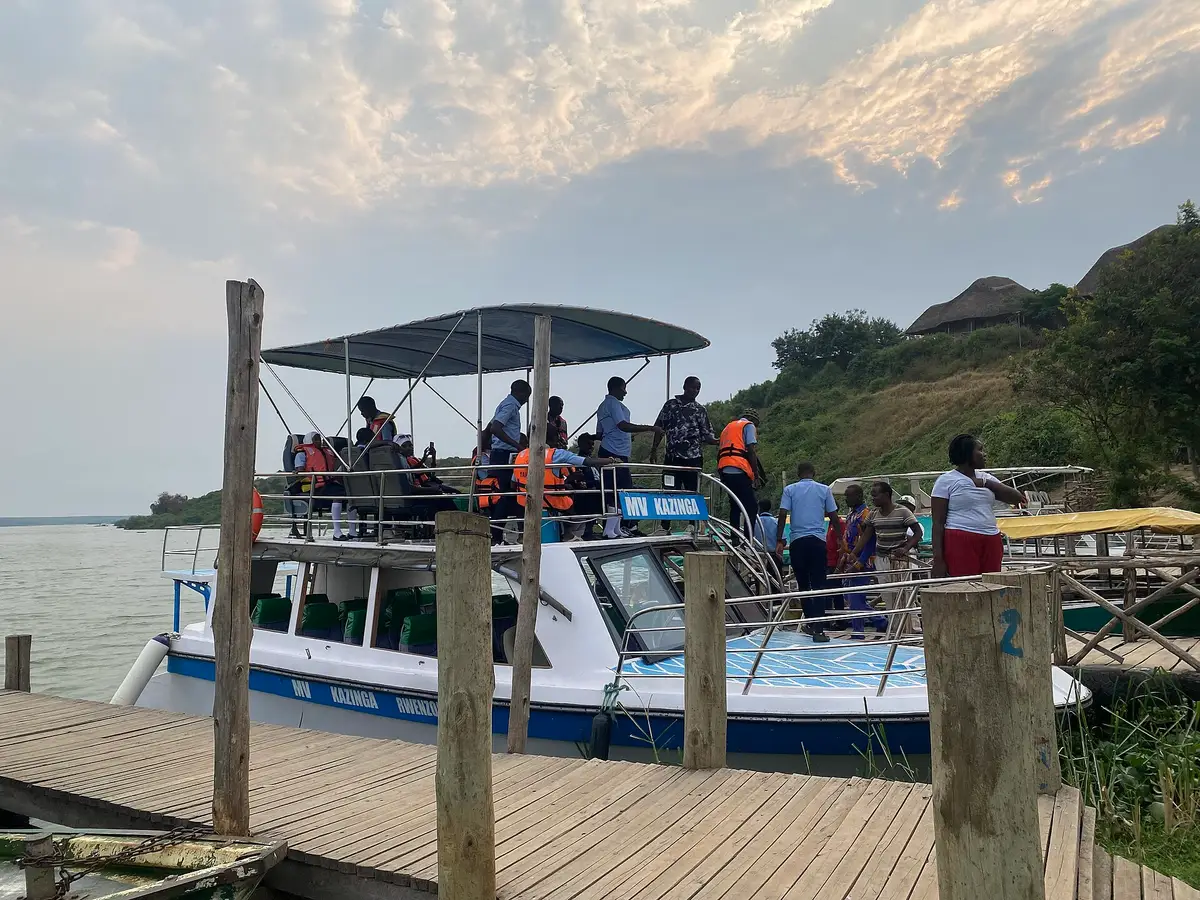
Savanna, forest, crater lakes and wetlands support more than 95 mammal and 600 bird species. The 40 km Kazinga Channel joins Lake Edward and Lake George and draws hippos, buffaloes, elephants and water birds.
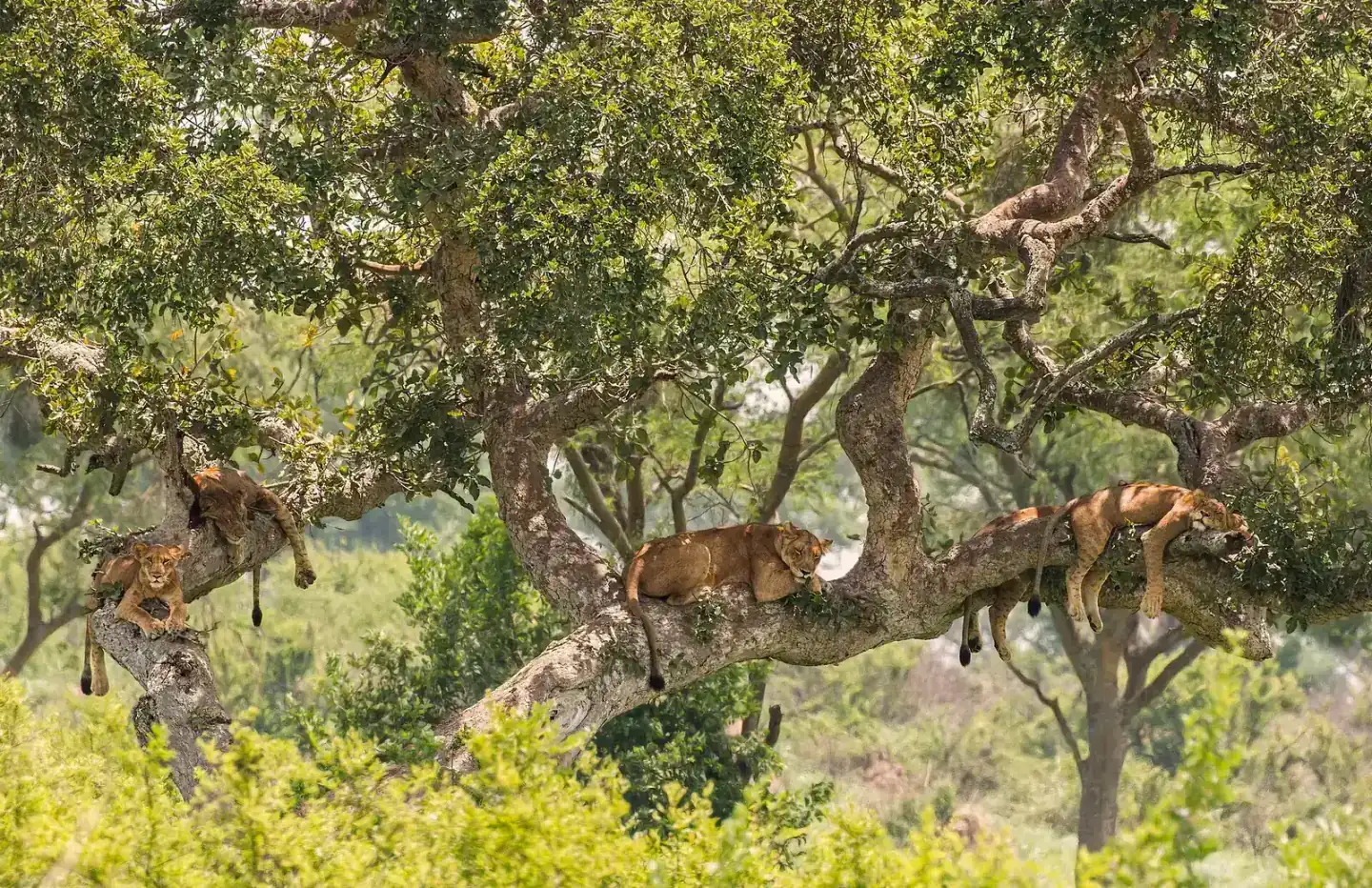
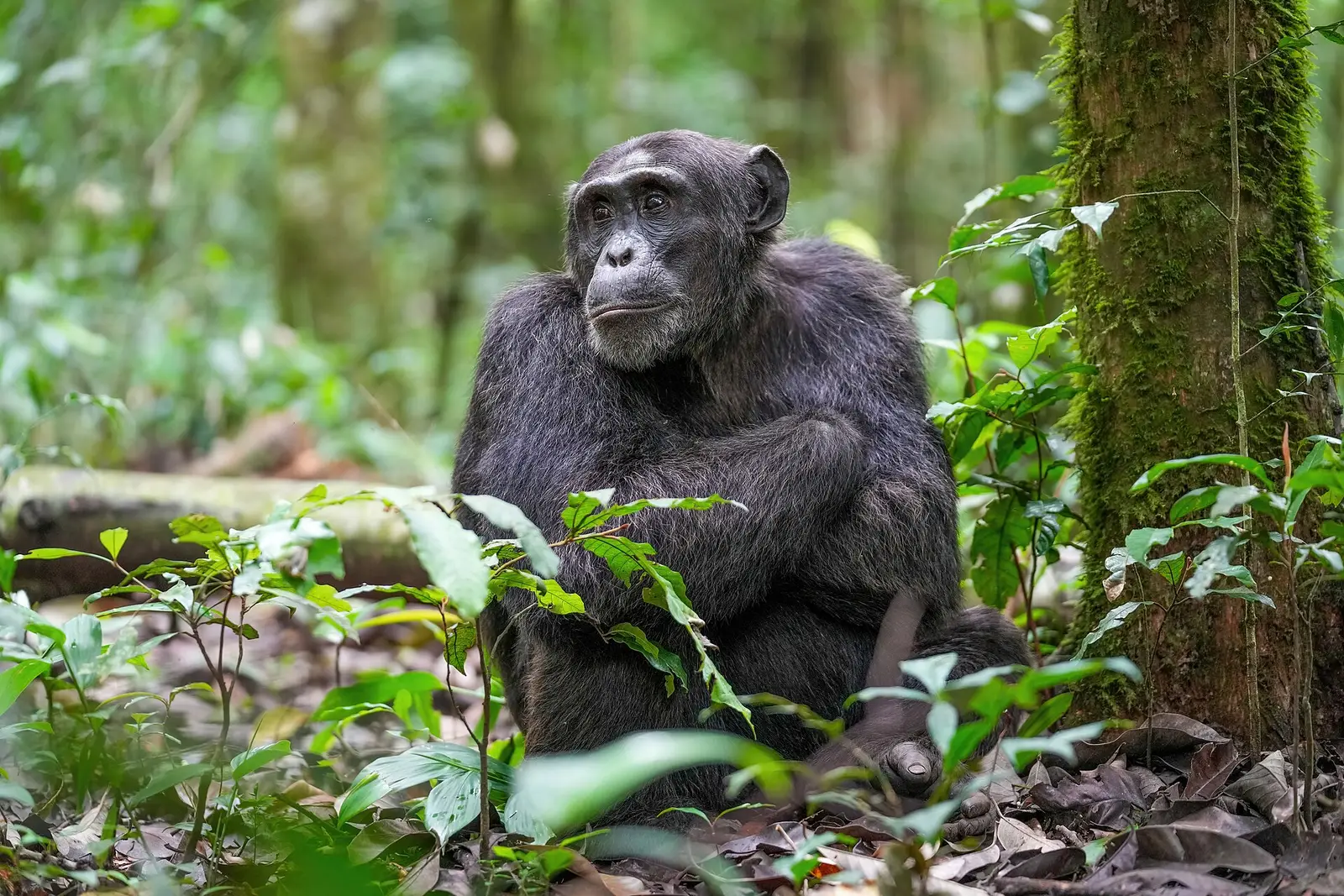
In the southern Ishasha sector, lions rest in fig trees above the plains. Kyambura Gorge shelters chimpanzees, and local Bakonzo, Basongora and Banyabindi communities offer cultural visits.
Two hours along one of Africa's densest hippo populations.
Lions lounging in fig trees, a behaviour seen in few places.
Track chimps in a forested gorge sunk into the savanna.
About two hours.
Kasenyi plains and Ishasha.
Morning treks.
With researchers; book ahead.
Join a research count.
Banded mongoose research walk.
Prices are the foreign non-resident rate per person. Resident and East African rates are lower; see the full table below.
Dry seasons (December–February, June–September) give the best game drives. Birding peaks from November to April when migrants arrive.
Official rates from the Uganda Wildlife Authority (UWA Conservation Tariff, July 2024 – June 2026). Children, vehicle and accommodation rates are in the full tariff.
| Item | Foreign non-resident | Foreign resident | Rest of Africa | East African citizen |
|---|---|---|---|---|
| Park entry (adult)per person, valid 24 hoursChildren 5–15: US$20 / US$10 / US$5 / UGX 5,000. Under 5s enter free. | US$40 | US$30 | US$25 | UGX 20,000 |
| Launch trip (Kazinga Channel)per person | US$30 | US$25 | US$20 | UGX 30,000 |
| Guided game drive (day)per guide | US$25 | US$20 | — | UGX 25,000 |
| Chimpanzee tracking, Kyambura Gorgeper person, entry not includedFrom 1 January 2027: US$200 / US$150 / US$100 / UGX 50,000. | US$100 | US$80 | — | UGX 50,000 |
| Experiential lion trackingper personExcludes the US$10 community fee and vehicle. From 1 January 2027: US$500 / US$300 / US$300 / UGX 250,000. | US$200 | US$150 | — | UGX 200,000 |
| Hippo censusper person | US$100 | US$80 | — | UGX 100,000 |
Children 5–15: US$20 / US$10 / US$5 / UGX 5,000. Under 5s enter free.
From 1 January 2027: US$200 / US$150 / US$100 / UGX 50,000.
Excludes the US$10 community fee and vehicle. From 1 January 2027: US$500 / US$300 / US$300 / UGX 250,000.
About 410 km via Mbarara or Fort Portal, often split with Lake Mburo or Kibale.
Flights to Kasese or Mweya airstrips, or Kihihi for Ishasha.
A common link between gorilla tracking and a savanna safari.
Open larger map Directions Marker shows an approximate location.
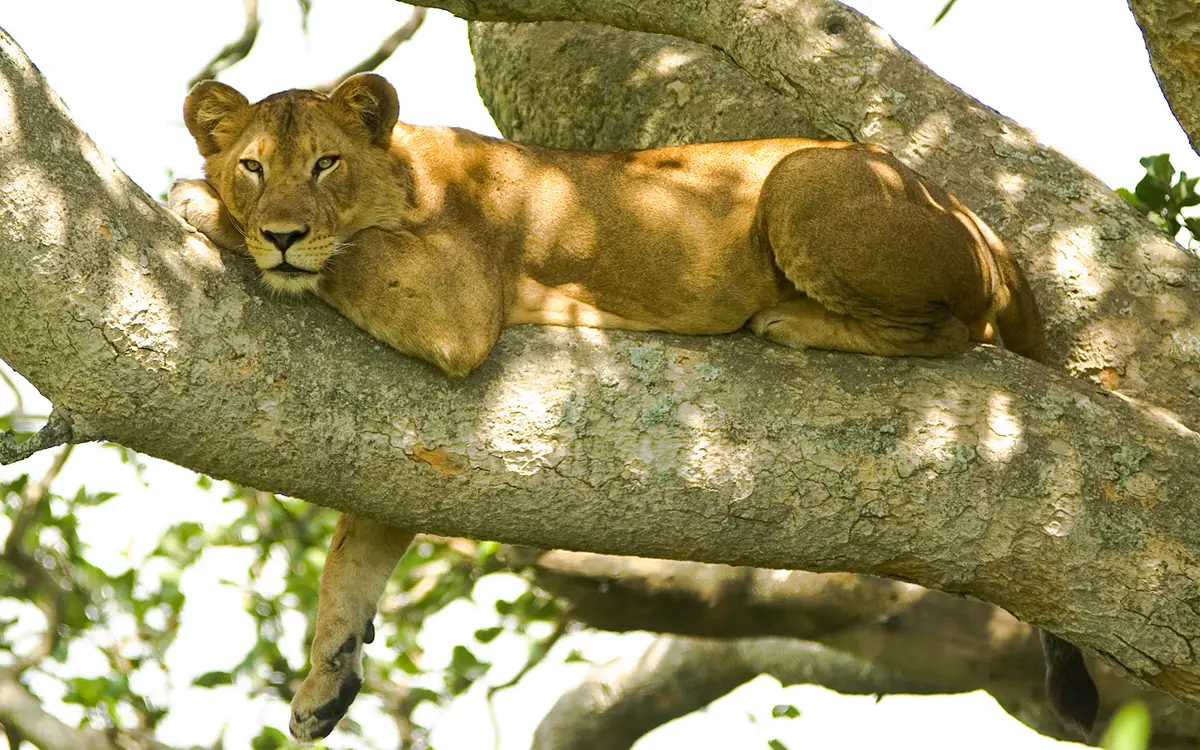
In the Ishasha sector in the south of the park, where lions often rest in fig trees. Sightings are likely but never guaranteed.
Yes. It is the park's signature activity: about two hours with hippos, buffaloes, elephants and many water birds at close range.
Yes, in Kyambura Gorge. Sightings are less certain than in Kibale, so many visitors do both.
Checked on 23 October 2026. Fees and rules change; confirm with the authority or your operator before you pay.
Combine your trip
National parkSouthwestern Uganda
Ancient rainforest and almost half of the world's mountain gorillas.
 National park
Western Uganda
East Africa's primate capital: 13 species and about 1,500 chimpanzees.
 National park