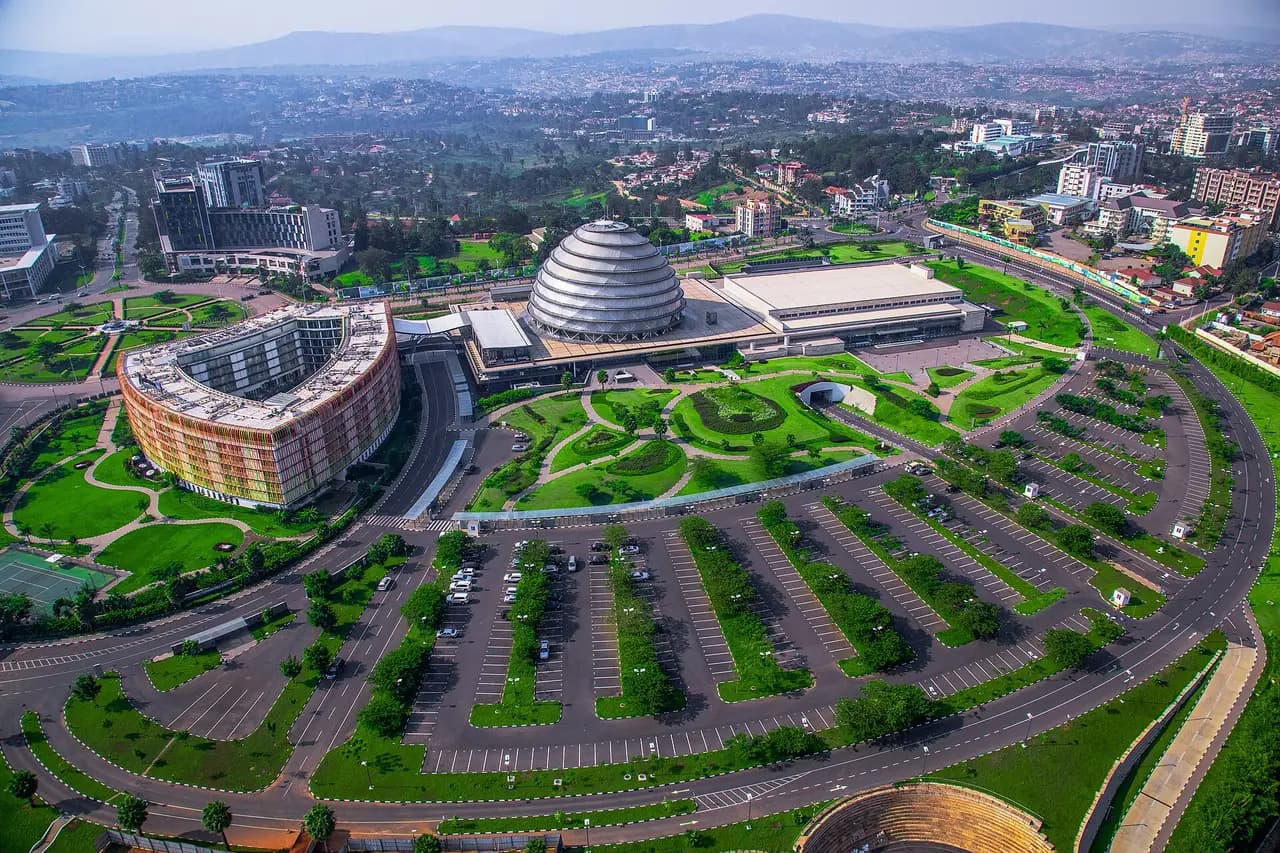
 Capital city
Memorial · UNESCO World Heritage Site
Kigali Genocide Memorial
Remembering the 1994 Genocide against the Tutsi.
- City of Kigali
- Best: Jun–Sep
- World Heritage Site (2023), Memorial sites of the Genocide
Overview
- Location
- Gisozi, about 10 minutes from the centre
- Open
- Daily 9 am – 5 pm (last entry 4 pm)
- UNESCO
- World Heritage Site (2023)
- Allow
- At least 1.5–2 hours
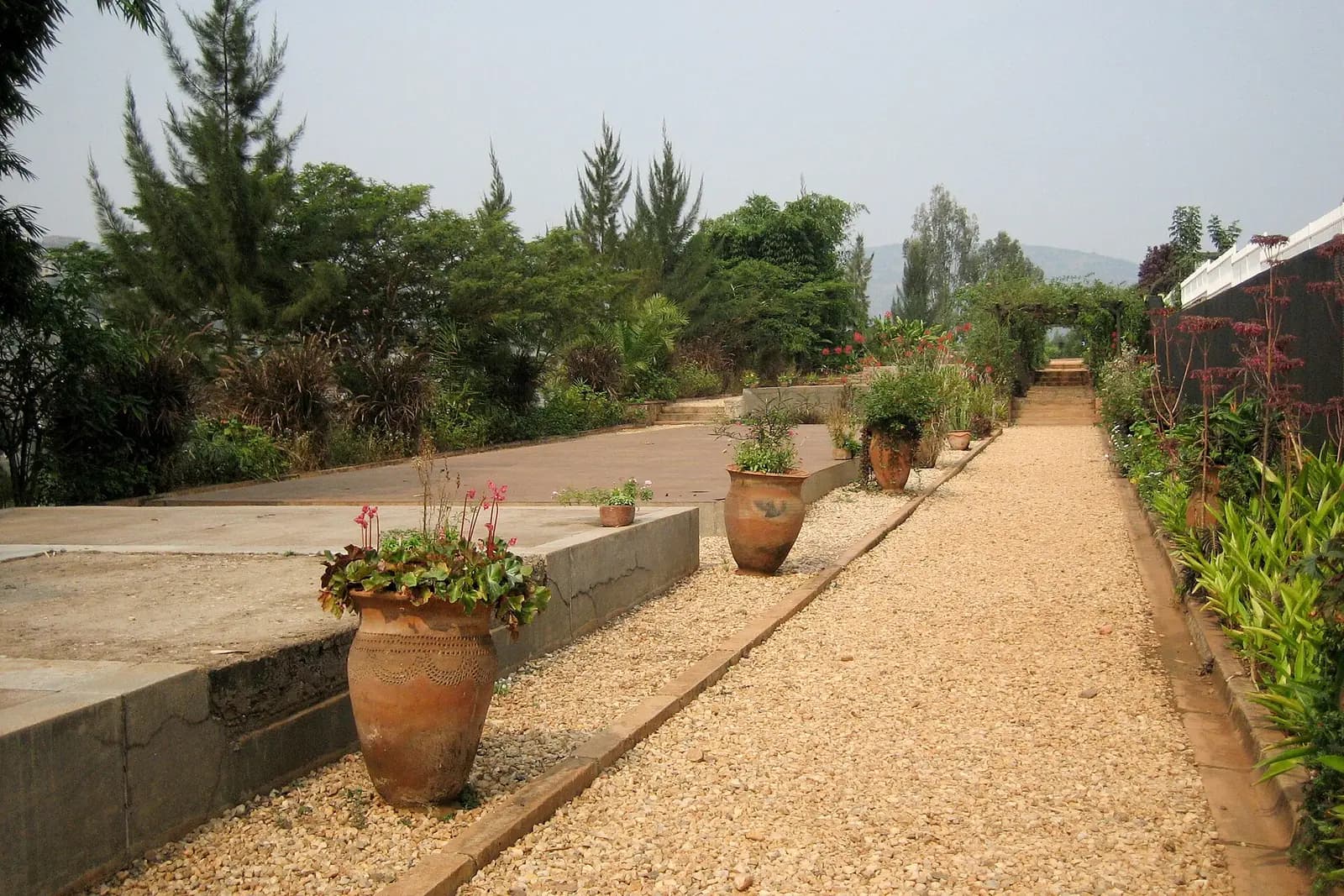
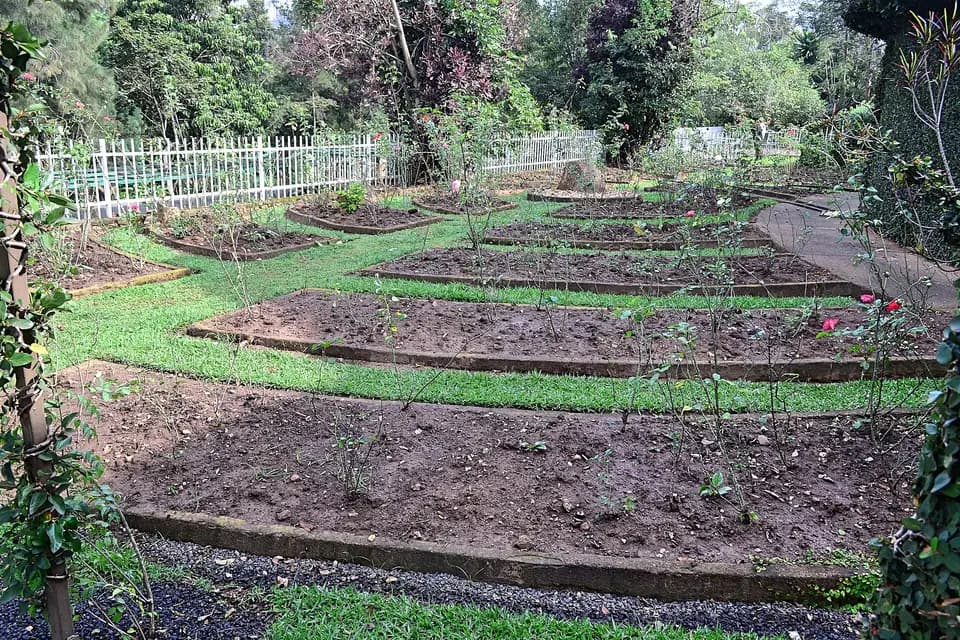
The Kigali Genocide Memorial stands on the hill of Gisozi, about ten minutes from the city centre. The remains of more than 250,000 victims of the 1994 Genocide against the Tutsi are buried here in mass graves beneath the memorial gardens.
Its exhibitions explain the history that led to the genocide, the hundred days of killing and the country's recovery. A children's room remembers young victims as individuals, and newer galleries cover peace education and Rwanda's experience after 1994.
In 2023 UNESCO inscribed the memorial, with Nyamata, Murambi and Bisesero, as the World Heritage Site 'Memorial sites of the Genocide'. Many guides are survivors.
- The exhibitions
The history of the genocide, from its roots to its aftermath.
- The memorial gardens
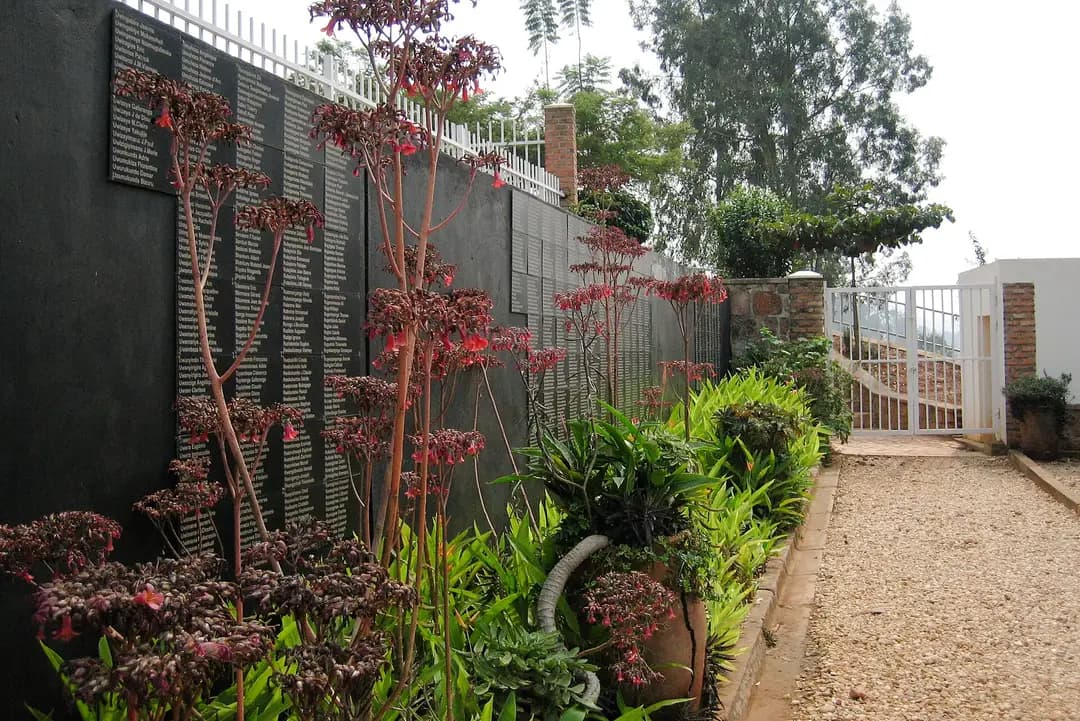
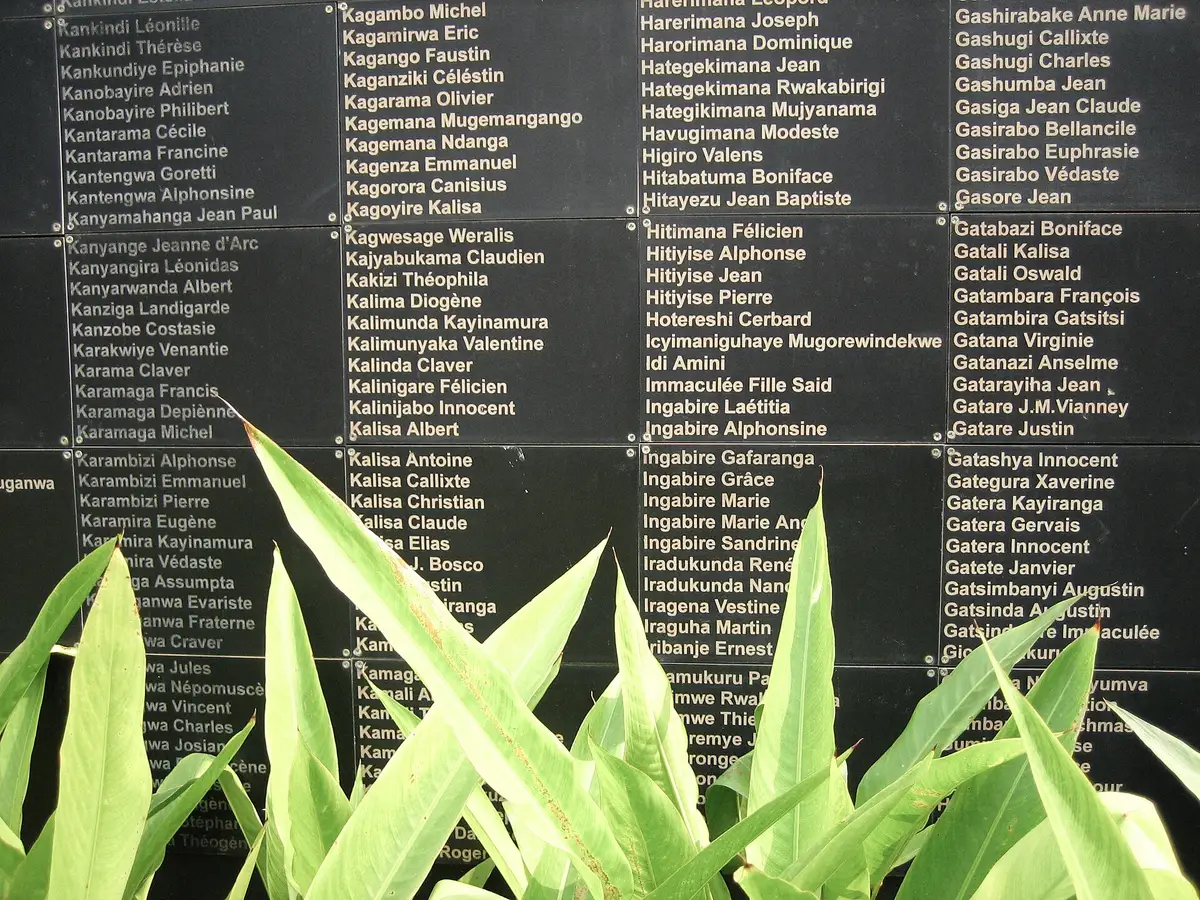
Mass graves, a wall of names and gardens for reflection.
- Audio and live guides
Self-guided audio tours or guided visits, many led by survivors.
Things to do
- Self-guided audio tourUS$20
About 1.5 hours at your own pace.
- Ubumuntu visit packageUS$30
Audio guide, a rose to lay at the graves and a pin.
- Guided group tourFrom US$200 per group
Book a week ahead for groups over 15.
Prices are as published by the site or its operators; see Costs below and confirm when you book.
When to go
Open all year. Commemoration (Kwibuka) begins on 7 April each year; the memorial is especially busy then.
- Jan: Good
- Feb: Good
- Mar: Good
- Apr: Wetter
- May: Wetter
- Jun: Best
- Jul: Best
- Aug: Best
- Sep: Best
- Oct: Good
- Nov: Good
- Dec: Good
Costs
The memorial sells visits through its booking site: a self-guided audio tour is US$20, the Ubumuntu package US$30, and guided group tours from US$200 for up to five people. Check kgm.rw before you go.
Getting there
- By roadFrom Kigali city centreAbout 10 minutes
By car, taxi or motorbike taxi to Gisozi.
Open larger map Directions Marker shows an approximate location.
Photos
Know before you go
- On the last Saturday of each month (Umuganda) the memorial opens at 1 pm.
- The exhibitions include graphic material. Dress modestly and be respectful in the gardens.
- Book ahead in busy periods; groups of more than 30 may be split.
Frequently asked questions
How long should I spend at the Kigali Genocide Memorial?
Allow at least one and a half to two hours; the audio tour alone takes about 1.5 hours.
When is the memorial open?
Daily from 9 am to 5 pm, with last entry at 4 pm. On the last Saturday of each month it opens at 1 pm because of Umuganda.
Sources
Checked on 25 October 2026. Fees and rules change; confirm with the authority or your operator before you pay.
Report a mistake on this pageCombine your trip
Places to pair with Kigali Genocide Memorial
Capital city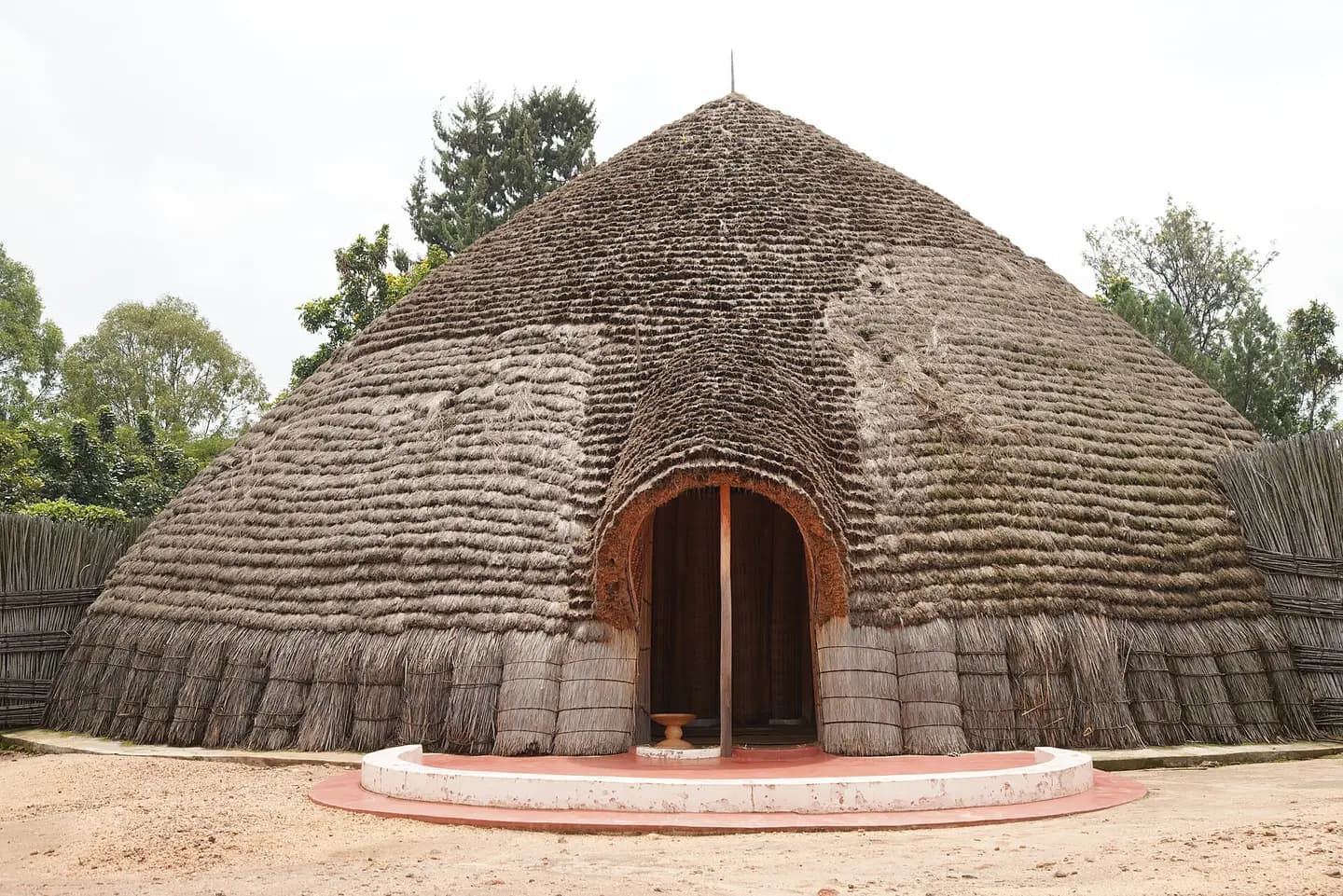 Museum and royal palace
Southern Province
King's Palace Museum, Nyanza
A royal palace, a 1930s king's residence and long-horned Inyambo cattle.
 National park
Eastern Province
Akagera National Park
Rwanda's Big Five savanna park, with lakes along the Tanzanian border.