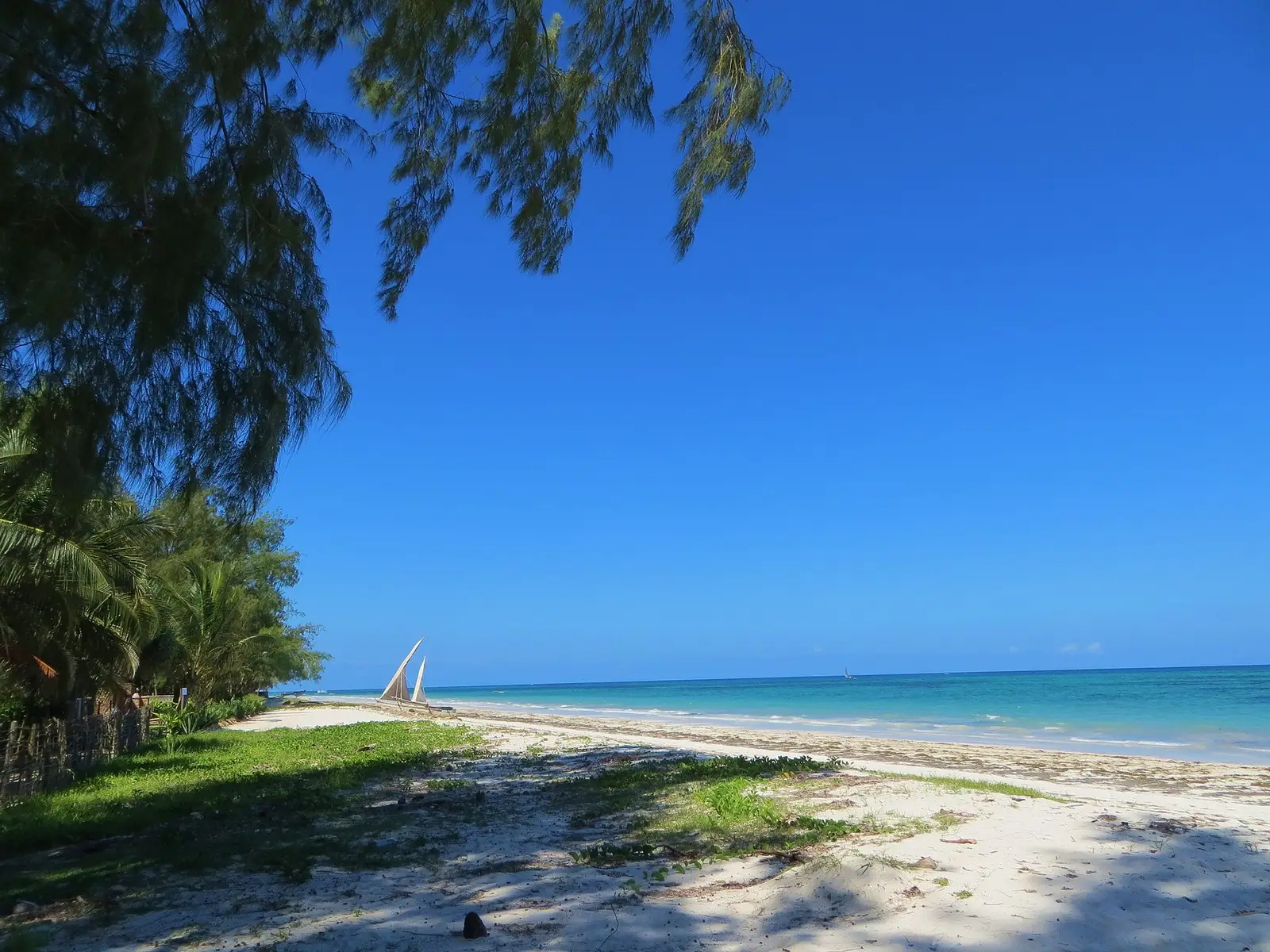
 Beach
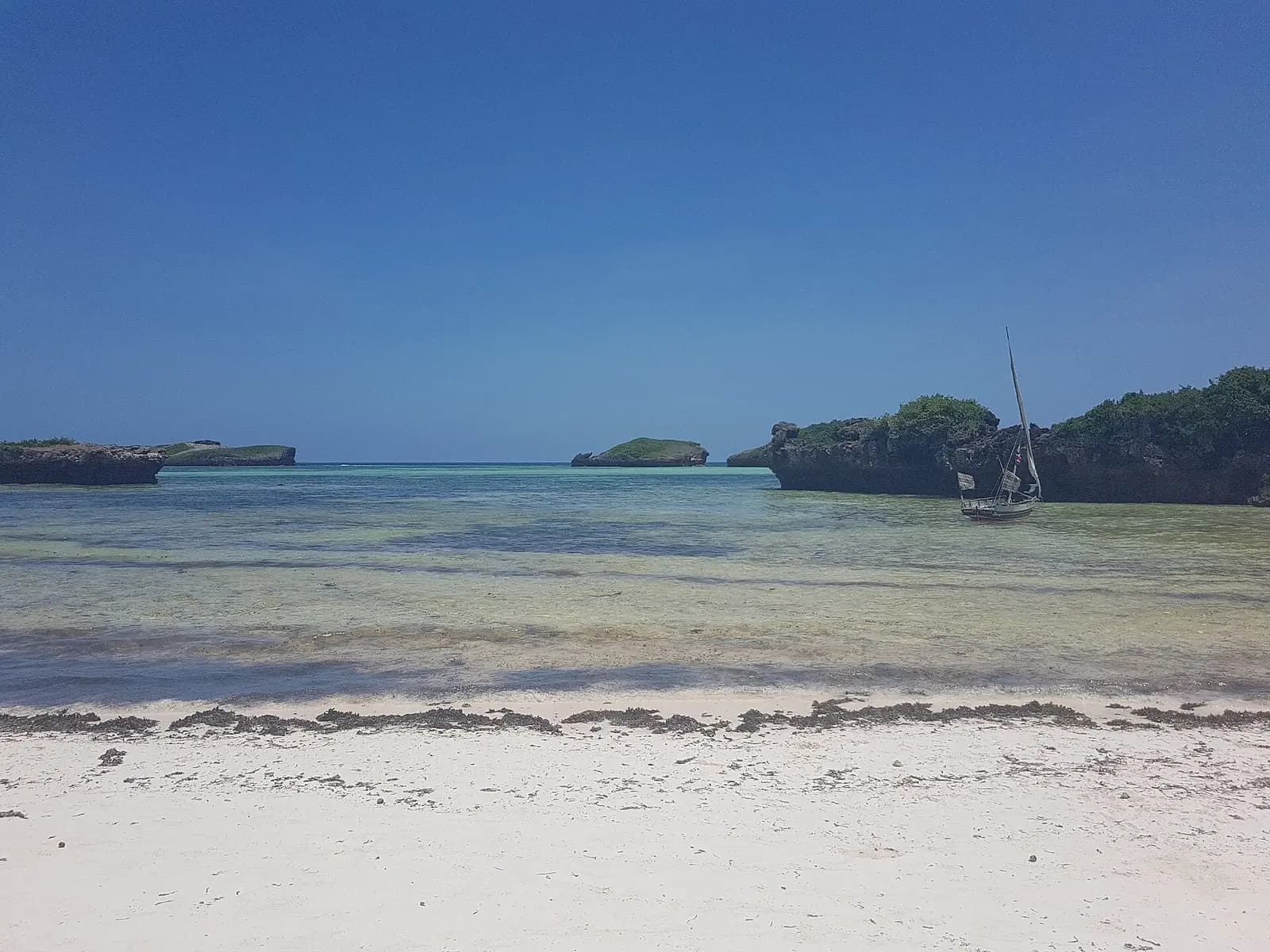
Marine park · Heritage site
Watamu & Gede Ruins
Coral gardens, Mida Creek and a lost Swahili town.
- North Coast
- Best: Aug–Oct, Dec–Mar
- UNESCO Man and Biosphere Reserve
Overview
- Marine park since
- 1968
- UNESCO MAB reserve
- 1979
- From Mombasa
- About 120 km
- From Malindi
- About 28 km
Watamu Marine National Park and Reserve was gazetted in 1968, and with Malindi it became Africa's first marine UNESCO Man and Biosphere Reserve in 1979. The no-take park covers about 10 km².
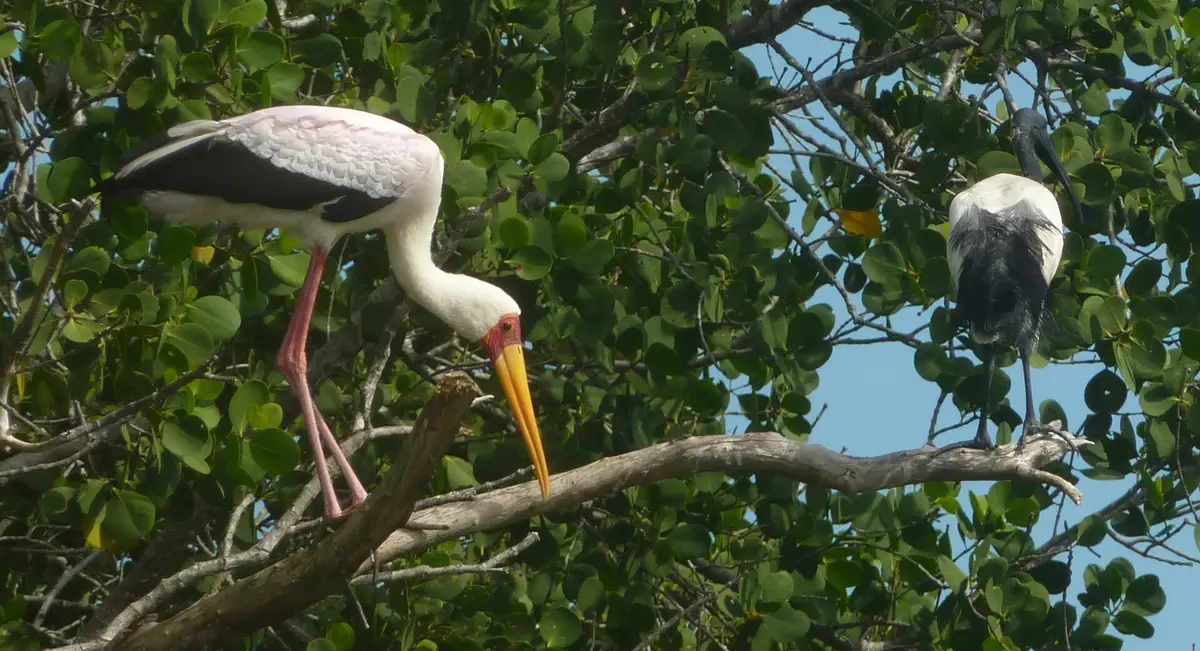
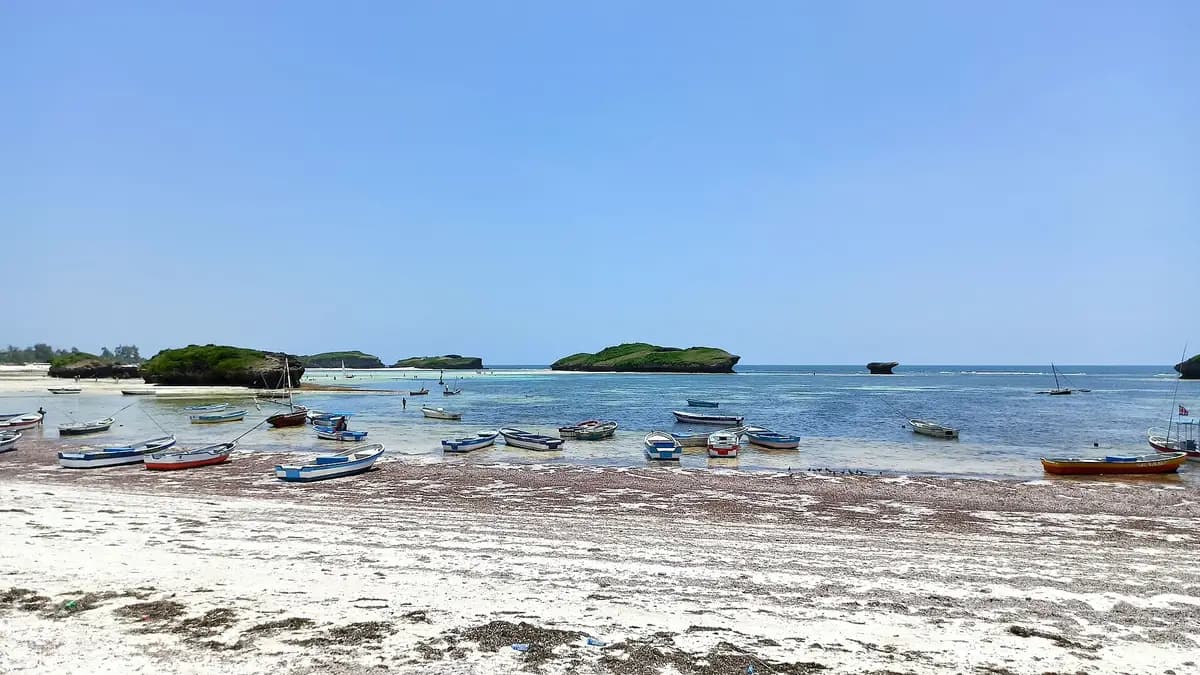
Coral gardens, sea turtles, dolphins and whale sharks draw snorkellers and divers, while Mida Creek's mangroves are rich in birds. Humpback whales pass offshore in season.
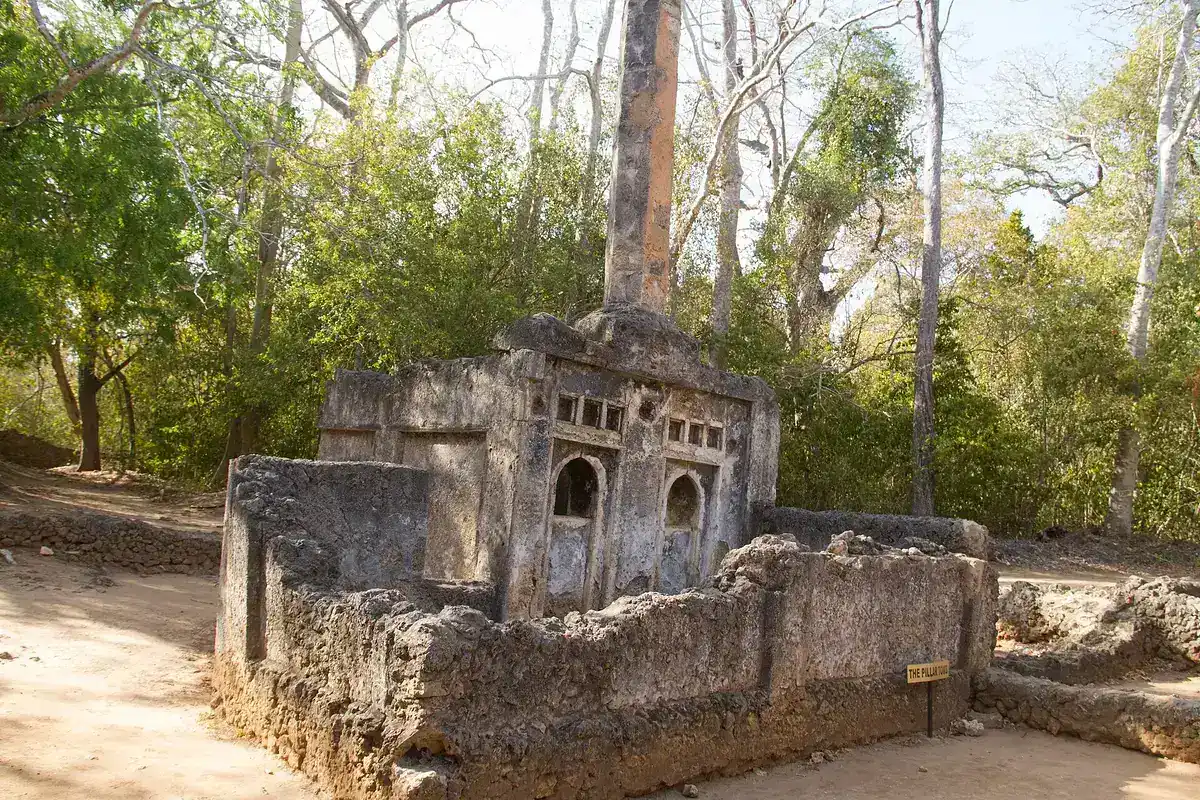
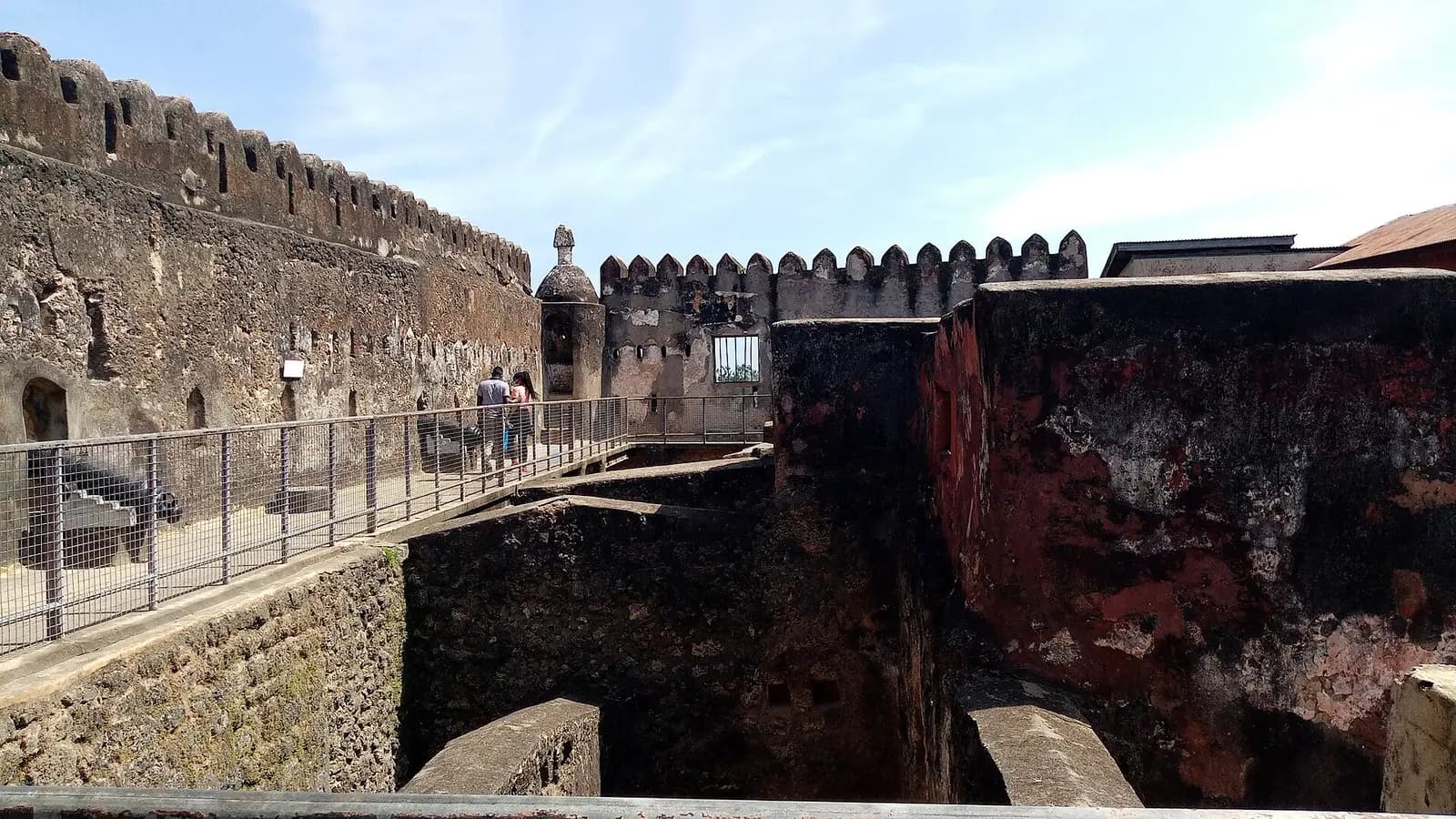
Inland, Gede Ruins preserve the coral-stone mosques and houses of a medieval Swahili town, now in coastal forest managed by the National Museums of Kenya.
- Coral gardens
Snorkel the no-take marine park.
- Mida Creek
Mangroves, a boardwalk and wading birds.
- Gede Ruins
A medieval Swahili town in the forest.
Things to do
- Snorkelling and glass-bottom boats
With licensed operators.
- Gede Ruins visitUS$8
National Museums of Kenya site.
- Mida Creek canoe or boardwalk
Community-run.
Prices are the foreign non-resident rate per person. Resident and East African rates are lower; see the full table below.
Wildlife and nature to look for
When to go
Best December–March and July–October.
- Jan: Best
- Feb: Best
- Mar: Best
- Apr: Wetter
- May: Wetter
- Jun: Wetter
- Jul: Good
- Aug: Best
- Sep: Best
- Oct: Best
- Nov: Good
- Dec: Best
Fees and permits
Official rates from the Kenya Wildlife Service (KWS Conservation Fees 2025 (Legal Notice 160 of 2025)). Children, vehicle and accommodation rates are in the full tariff.
| Item | Foreign non-resident | Foreign resident | Rest of Africa | East African citizen |
|---|---|---|---|---|
| Marine park entry (adult)per person, valid 24 hoursChildren 5–17: KES 250 / KES 350 / US$15 / US$10 (citizen / resident / non-resident / African citizen). | US$25 | KES 675 | US$15 | KES 500 |
| Gede Ruins (adult)per person, National Museums of Kenya | US$8 | US$6 | US$6 | KES 200 |
- Marine park entry (adult)per person, valid 24 hours
- Foreign non-resident
- US$25
- Foreign resident
- KES 675
- Rest of Africa
- US$15
- East African citizen
- KES 500
Children 5–17: KES 250 / KES 350 / US$15 / US$10 (citizen / resident / non-resident / African citizen).
- Gede Ruins (adult)per person, National Museums of Kenya
- Foreign non-resident
- US$8
- Foreign resident
- US$6
- Rest of Africa
- US$6
- East African citizen
- KES 200
- Gede Ruins fees are from the National Museums of Kenya schedule effective 7 May 2026.
- Fees are paid cashless through KWSPay on eCitizen. Children are aged 5–17.
- The Kenya Tourism Federation challenged these rates in the High Court in October 2025; KWS republished the same rates in 2026. Confirm the amount when you pay.
Getting there
- By roadFrom MombasaAbout 2–3 hours
North on the Mombasa–Malindi road; turn at Gede for Watamu.
- By airFrom NairobiAbout 1 hour
Flights to Malindi.
Open larger map Directions Marker shows an approximate location.
Photos
Know before you go
- Snorkel at low tide for the clearest water.
- Turtle nesting sites are protected; follow local guidance.
Frequently asked questions
Is Watamu good for snorkelling?
Yes. The no-take marine park has some of Kenya's best coral gardens close to shore.
Sources
Checked on 23 October 2026. Fees and rules change; confirm with the authority or your operator before you pay.
- Kenya Wildlife Service park page
- KWS Conservation Fees 2025
- National Museums of Kenya admission fees 2026
Combine your trip
Places to pair with Watamu
Beach Heritage town
 Heritage site