 National park
National reserve
Maasai Mara National Reserve
Big cats, open plains and the Great Migration river crossings.
- Southwestern Kenya
- Best: Jul–Oct
Overview
- Managed by
- Narok County Government
- Ecosystem
- Serengeti–Mara
- Migration
- About July – October
- From Nairobi
- About 5–6 hours by road
- Airstrips
- Keekorok, Olkiombo, Musiara and others
The Maasai Mara is the northern part of the Serengeti–Mara ecosystem, a sweep of grassland, acacia and riverine forest along the Tanzanian border. It is managed by Narok County, with the western Mara Triangle run for the county by the Mara Conservancy.
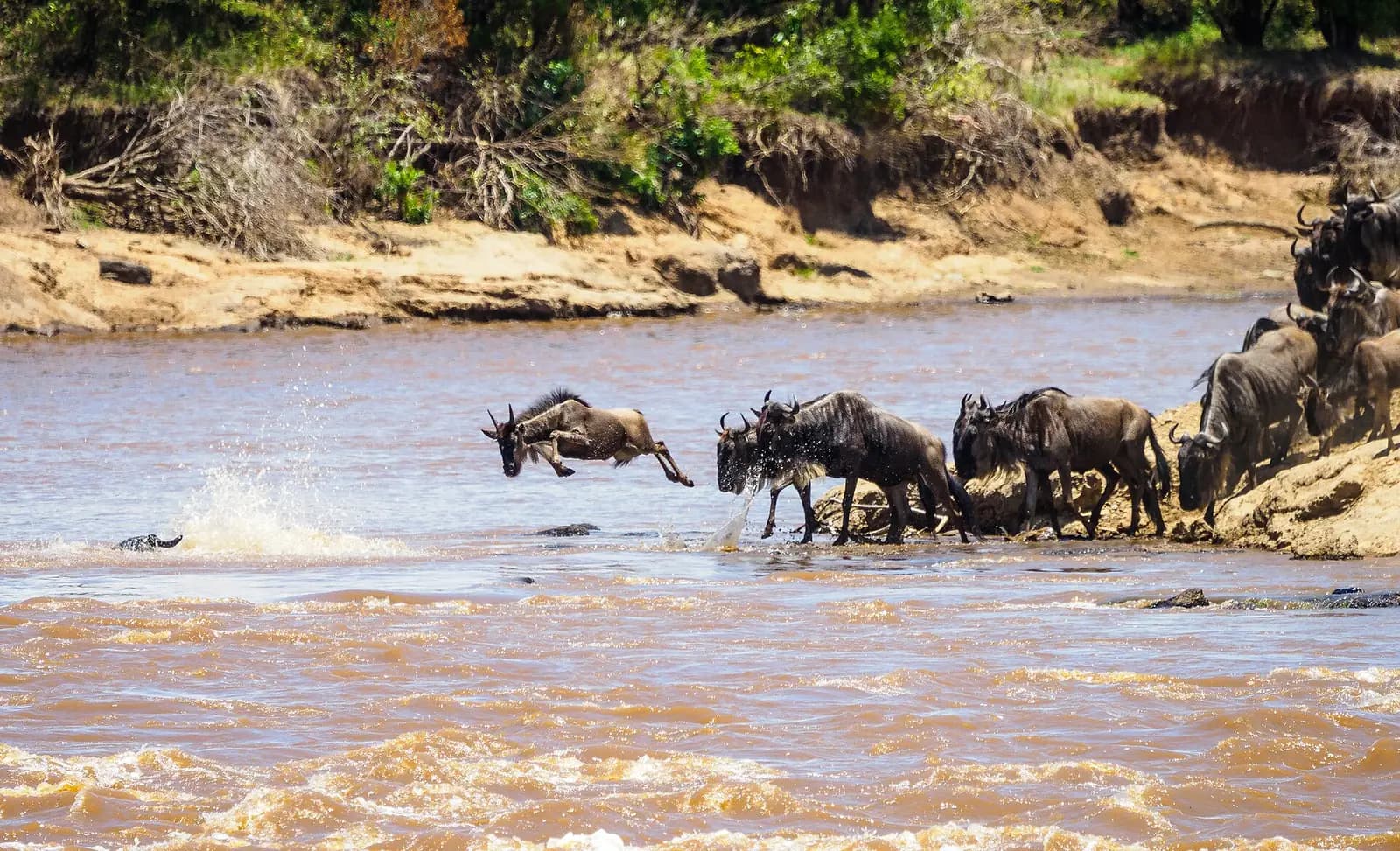
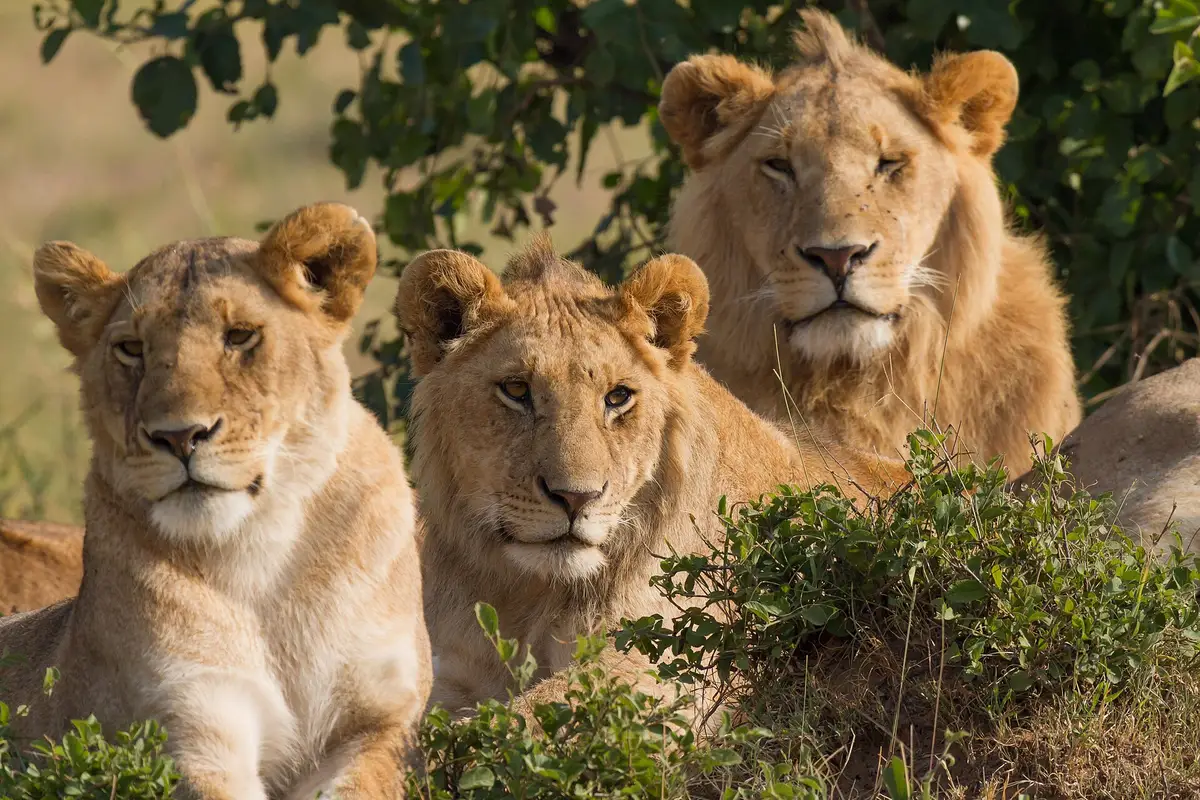
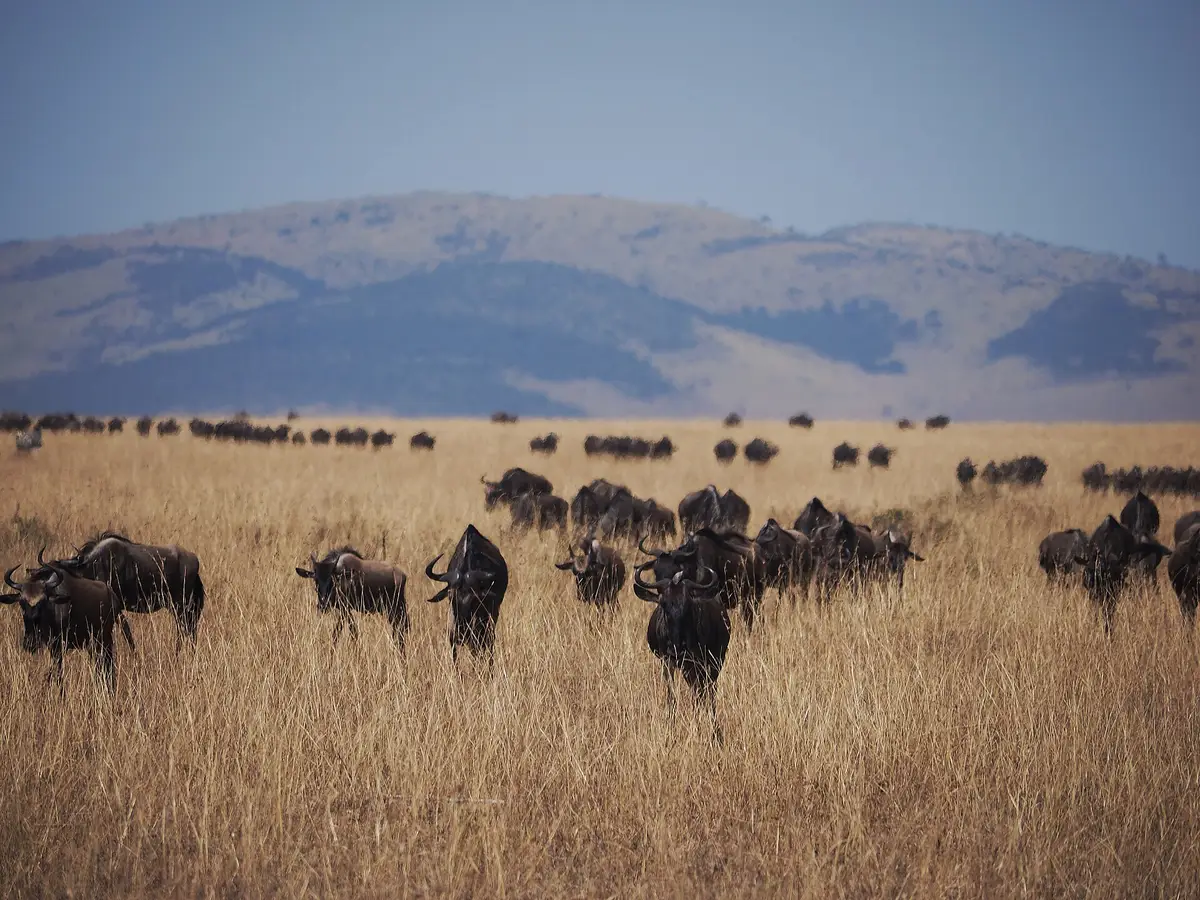
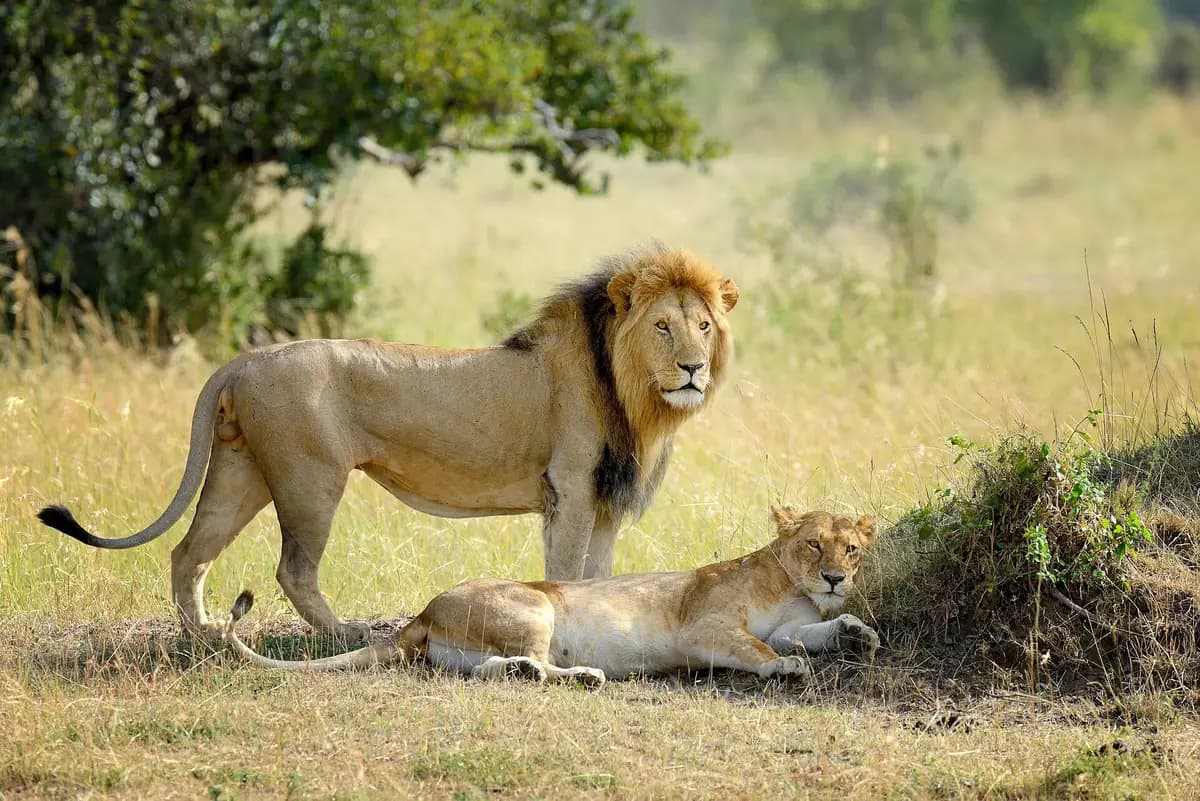
Its open plains are among the best places in Africa to see lions, cheetahs, leopards and hyenas. From about July to October more than a million wildebeest, with zebras and gazelles, move in from the Serengeti and cross the Mara and Talek rivers.
Around the reserve, Maasai-owned conservancies offer quieter game drives, walking safaris and night drives, with fewer vehicles at each sighting.
- Great Migration
River crossings at the Mara and Talek rivers, usually from July to October.
- Big cat country
Lions, cheetahs and leopards are seen all year on the open plains.
- Balloon safaris
Dawn flights over the plains, landing for a bush breakfast.
Things to do
- Game drives
Morning, afternoon or full-day drives with a guide.
- Hot-air balloon safari
Sunrise flight; book with a licensed balloon operator.
- Conservancy walks and night drives
Offered in the private conservancies around the reserve.
- Maasai village visit
Arrange through your camp so the community benefits directly.
Wildlife and nature to look for
When to go
Game viewing is good all year. The migration is usually in the Mara from about July to October; April and May are wettest and quietest.
- Jan: Good
- Feb: Good
- Mar: Good
- Apr: Wetter
- May: Wetter
- Jun: Good
- Jul: Best
- Aug: Best
- Sep: Best
- Oct: Best
- Nov: Good
- Dec: Good
Costs
Entry is charged by Narok County (and by the Mara Conservancy for the Mara Triangle), not KWS, and rates change by season. Operators report US$200 per non-resident adult per day from July to December and US$100 from January to June, with lower rates for Kenyan citizens and residents; the county has not published its schedule online. Private conservancies charge their own fees. Confirm the current rate with your operator before you pay.
Getting there
- By roadFrom NairobiAbout 5–6 hours
Via Narok to Sekenani or Talek gates; the last stretch is rough in the rains.
- By airFrom Nairobi (Wilson Airport)About 45–60 minutes
Daily scheduled flights to the reserve's airstrips.
Open larger map Directions Marker shows an approximate location.
Photos
Know before you go
- Vehicles must stay on tracks in the main reserve; off-road driving is fined.
- River crossings are unpredictable; allow several days to see one.
- Camps book up early for July to October; reserve months ahead.
Frequently asked questions
When is the Great Migration in the Maasai Mara?
Usually from about July to October, depending on the rains. The exact timing of river crossings changes every year.
How much is the Maasai Mara entry fee?
Narok County sets the fee by season. Operators report US$200 per non-resident adult per day from July to December and US$100 from January to June. Confirm the current rate when booking.
Should I stay in the reserve or a conservancy?
The main reserve has the classic migration crossings; the conservancies are quieter and allow walks and night drives. Many visitors combine both.
Sources
Checked on 23 October 2026. Fees and rules change; confirm with the authority or your operator before you pay.
Report a mistake on this pageCombine your trip
Places to pair with Maasai Mara National Reserve
National park National park
 Capital city