 National reserve
National parks · UNESCO World Heritage Site
Lake Turkana National Parks
The Jade Sea and the cradle of humankind.
- Northern Kenya
- Best: Jan–Feb, Jun–Oct
- Entry from US$40
- World Heritage Site since 1997
Overview
- UNESCO listing
- 1997
- Sibiloi gazetted
- 1973
- Central Island
- About 5 km² volcanic island
- From Nairobi
- Two to three days by road
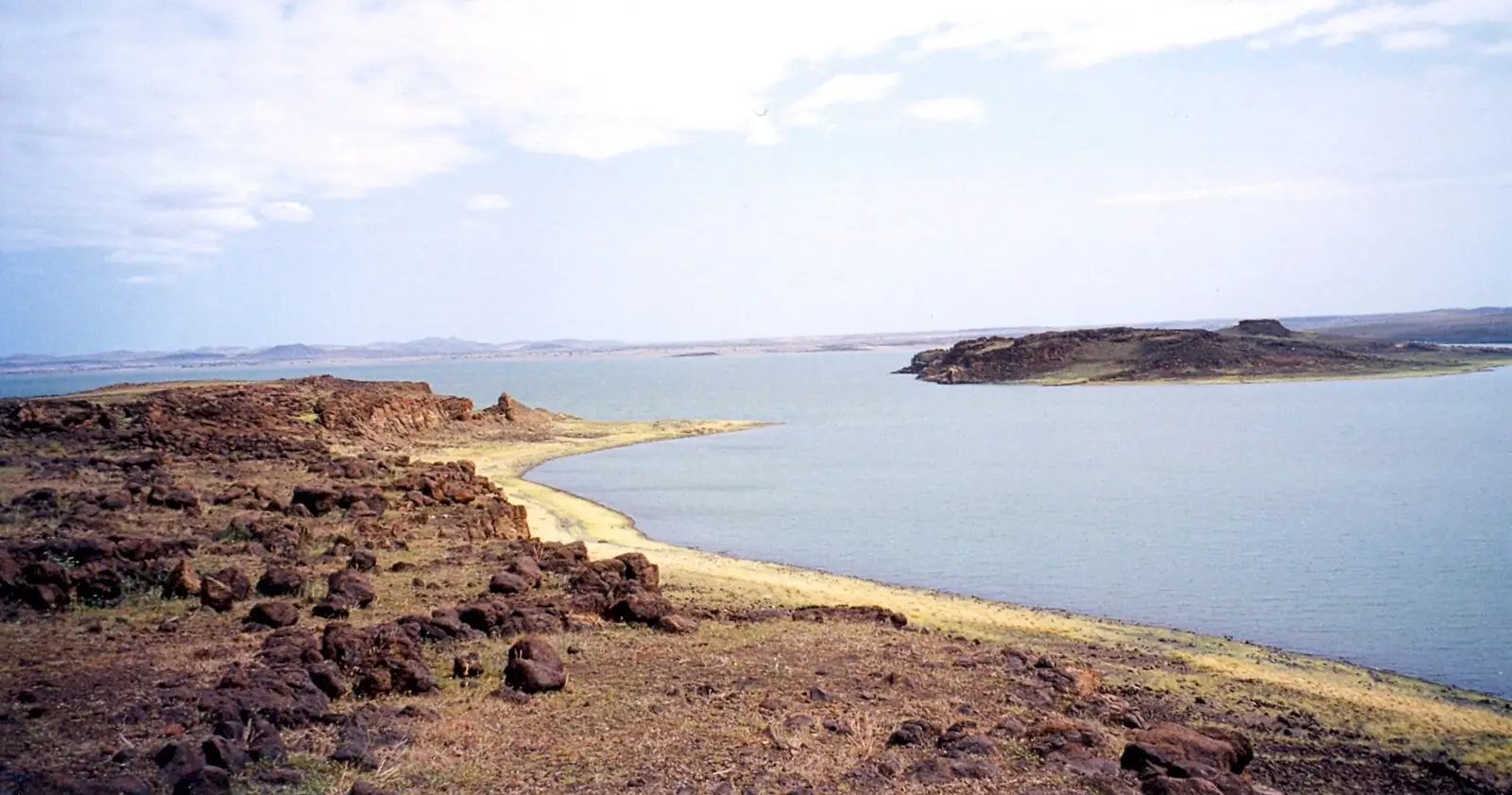
Lake Turkana is the world's largest permanent desert lake. Sibiloi National Park (1973), Central Island and South Island were inscribed together by UNESCO in 1997.
Sibiloi protects Koobi Fora, where fossil finds by Richard Leakey's teams transformed understanding of human evolution, as well as petrified forests and desert wildlife such as Grevy's zebra.
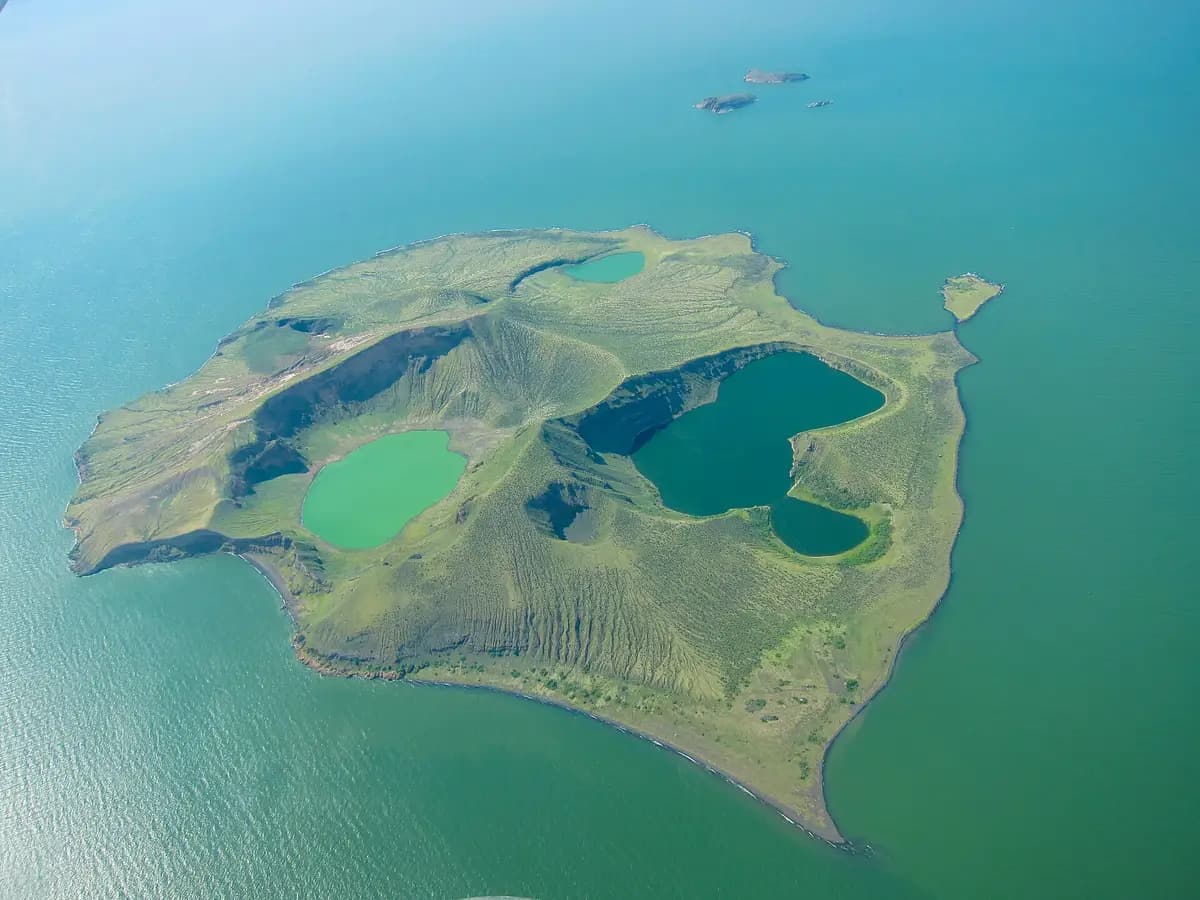
Central Island, a 5 km² volcano in the lake, is a breeding ground for Nile crocodiles and a stopover for migratory birds.
- Koobi Fora
Fossil sites and displays on human origins.
- Central Island
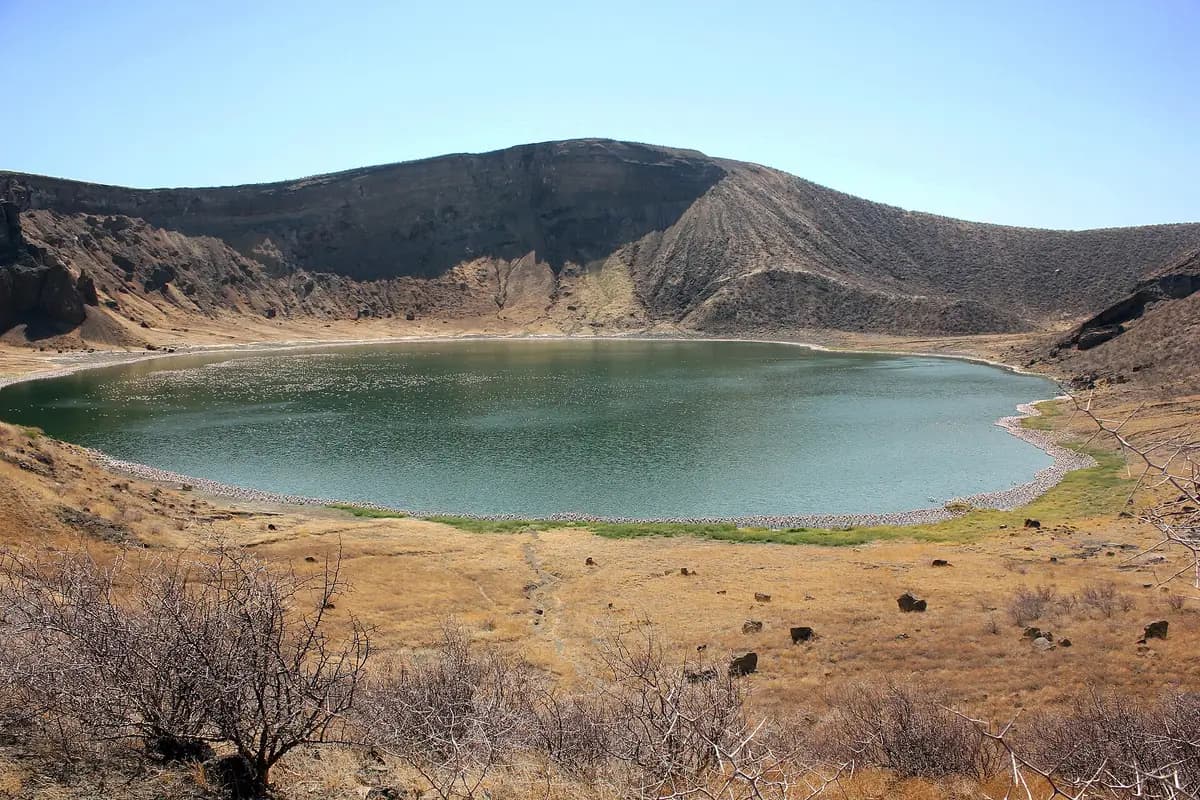
Crater lakes and crocodile breeding grounds.
- Petrified forest
Fossilised trees in Sibiloi.
Things to do
- Fossil site visits
Koobi Fora, with guides.
- Boat trips to Central Island
From Kalokol or Loiyangalani.
- Sport fishingUS$15
Per line.
Prices are the foreign non-resident rate per person. Resident and East African rates are lower; see the full table below.
Wildlife and nature to look for
When to go
Hot all year; the cooler months are June–September.
- Jan: Best
- Feb: Best
- Mar: Good
- Apr: Wetter
- May: Wetter
- Jun: Best
- Jul: Best
- Aug: Best
- Sep: Best
- Oct: Best
- Nov: Wetter
- Dec: Good
Fees and permits
Official rates from the Kenya Wildlife Service (KWS Conservation Fees 2025 (Legal Notice 160 of 2025)). Children, vehicle and accommodation rates are in the full tariff.
| Item | Foreign non-resident | Foreign resident | Rest of Africa | East African citizen |
|---|---|---|---|---|
| Park entry (adult, each park)per person, valid 24 hoursChildren 5–17: KES 250 / KES 350 / US$20 / US$10 (citizen / resident / non-resident / African citizen). | US$40 | KES 675 | US$20 | KES 500 |
| Sport fishingper line | US$15 | KES 1,500 | US$15 | KES 1,500 |
- Park entry (adult, each park)per person, valid 24 hours
- Foreign non-resident
- US$40
- Foreign resident
- KES 675
- Rest of Africa
- US$20
- East African citizen
- KES 500
Children 5–17: KES 250 / KES 350 / US$20 / US$10 (citizen / resident / non-resident / African citizen).
- Sport fishingper line
- Foreign non-resident
- US$15
- Foreign resident
- KES 1,500
- Rest of Africa
- US$15
- East African citizen
- KES 1,500
- Fees are paid cashless through KWSPay on eCitizen. Children are aged 5–17.
- The Kenya Tourism Federation challenged these rates in the High Court in October 2025; KWS republished the same rates in 2026. Confirm the amount when you pay.
Getting there
- By roadFrom NairobiTwo to three days
Via Marsabit and North Horr, or via Kitale and Lodwar to Kalokol; high-clearance 4WD and convoys recommended.
- By airFrom NairobiAbout 2 hours
Commercial flights to Lodwar; charters to park airstrips.
Open larger map Directions Marker shows an approximate location.
Photos
Know before you go
- Extremely remote and hot; travel with an experienced operator.
- Carry fuel, water and supplies.
Frequently asked questions
Why is Lake Turkana called the cradle of humankind?
Fossils found at Koobi Fora in Sibiloi National Park are among the most important evidence of early human evolution.
Sources
Checked on 23 October 2026. Fees and rules change; confirm with the authority or your operator before you pay.
Report a mistake on this pageCombine your trip
Places to pair with Lake Turkana National Parks
National reserve